Comprehensive Guide to High Voltage Rack Battery Systems (HVS1)

Welcome to our detailed guide on High Voltage Rack Battery Systems (HVS1), where we delve into everything you need to know about these essential energy storage solutions. Whether you’re considering renewable energy applications, electric vehicles, or grid stabilization, understanding the maintenance and safety considerations for HVS1 systems is crucial for optimal performance and longevity.

Introduction to High Voltage Rack Battery Systems (HVS1)

High Voltage Rack Battery Systems (HVS1) are cutting-edge solutions designed to meet the demanding needs of modern energy storage. They excel in applications requiring high power density, extended cycle life, and reliable operation under varying conditions. Typically employed in sectors like renewable energy storage and electric vehicle charging, HVS1 systems offer scalable solutions that contribute to sustainable energy practices.

Maintenance Requirements for High Voltage Rack Battery Systems

To ensure uninterrupted performance and longevity of HVS1 systems, proactive maintenance is imperative. Here are the key maintenance requirements:

1. Periodic Inspections

Regular visual inspections are essential to detect physical damage, leaks, or corrosion early on. Checking connections and wiring ensures electrical integrity.

2. Temperature Monitoring

HVS1 systems are sensitive to temperature fluctuations. Continuous monitoring and maintaining temperatures within optimal ranges are critical to prevent performance degradation and potential damage.

3. Cleanliness

Keeping HVS1 units free from debris and contaminants is vital for optimal performance. Routine cleaning with recommended products ensures longevity and reliability.

4. Cell Balancing

Cell balancing optimizes battery performance by ensuring uniform charging and discharging across all cells. This practice minimizes the risk of premature battery failure.

5. Capacity Testing

Periodic capacity testing verifies the health and capacity of the battery. This proactive measure helps anticipate potential issues and ensures the system operates at peak efficiency.

6. Regular Maintenance Checks

Scheduled maintenance checks, including voltage, current, and resistance tests, are crucial for early detection of anomalies and timely corrective actions.

7. Prompt Replacement of Defective Parts

Immediate replacement of any identified defective components is essential to prevent cascading failures and ensure system reliability.

8. Working with Professionals

Collaboration with experienced HVS1 manufacturers like Redway Battery ensures maintenance is performed according to manufacturer specifications. Their expertise guarantees optimal performance and compliance with safety standards.

Safety Considerations When Installing High Voltage Rack Battery Systems

While HVS1 systems offer robust energy storage solutions, proper installation is paramount due to inherent safety risks:

1. Fire and Explosion Risk

HVS1 systems store substantial energy, necessitating precautions such as thermal sensors and fire suppression systems to mitigate fire and explosion risks.

2. Shock Hazard

High voltage operation mandates installation by qualified professionals trained in handling high voltage electrical systems to minimize the risk of electric shock.

3. Thermal Runaway

Monitoring battery temperature and implementing thermal sensors are critical to prevent thermal runaway, a potential catalyst for fire or explosion.

4. Environmental Considerations

Proper disposal and recycling of batteries align with environmental regulations, minimizing ecological impact.

How Redway Battery Ensures Security

Redway Battery stands out as a premier manufacturer of customized HVS1 systems, emphasizing safety and reliability:

  • Advanced Battery Management: Redway Battery integrates sophisticated battery management systems to monitor and optimize HVS1 performance.
  • Diverse Applications: Their HVS1 solutions cater to diverse applications including solar energy storage, data center backup power, and electric vehicle infrastructure.
  • Installation and Maintenance Expertise: Redway Battery provides comprehensive installation and maintenance services by skilled technicians, ensuring safe and efficient operation of HVS1 systems.

In conclusion, optimizing the performance and longevity of High Voltage Rack Battery Systems (HVS1) hinges on meticulous maintenance and adherence to safety protocols during installation and operation. By partnering with industry leaders like Redway Battery, you guarantee reliable energy storage solutions tailored to meet your specific needs.


Comprehensive Guide to HVA1 High Voltage Rack Battery Systems

The HVA1 high voltage rack battery system is an essential component in the evolution of electric and hybrid vehicles. These systems are designed to meet the rigorous demands of high-performance applications, providing reliable and efficient power. Central to their operation is the Battery Management System (BMS), which is responsible for optimizing performance, ensuring reliability, and maintaining safety.

Understanding HVA1 High Voltage Rack Battery Systems

HVA1 systems are composed of multiple battery modules that work in unison to deliver high voltage and capacity. These systems are not just about energy storage; they are sophisticated energy management systems with an integrated BMS that actively oversees and controls various aspects of the battery’s operation.

The Role of BMS in HVA1 Systems

Monitoring and Control

The BMS is the brain of the HVA1 system, continuously monitoring the state of charge, current, and voltage of each battery module. It ensures that the batteries are charged and discharged at optimal rates, preventing overcharge and undercharge, which can lead to reduced performance and a shortened lifespan.

Temperature Regulation

Temperature management is crucial for maintaining the performance and extending the life of the batteries. The BMS monitors the temperature of each module and activates cooling or heating mechanisms to keep the batteries within their optimal operating range.

Safety Management

Safety is of utmost importance, especially with high voltage systems. The BMS is equipped with various safety features to detect and respond to potential issues such as overvoltage, short circuits, and thermal runaway. It can initiate protective measures, including shutting down the system if necessary, to prevent damage and ensure safe operation.

Case Study: Redway Battery’s Advanced BMS Integration

Redway Battery is a leader in integrating advanced BMS technology into their HVA1 systems. Their custom solutions are designed to meet the specific needs of various applications, such as electric buses, where the demand for precision and reliability is particularly high.

Practical Application in Electric Buses

In electric buses, the BMS plays a critical role in maximizing the vehicle’s range and efficiency. Redway Battery’s HVA1 systems ensure that the batteries are always operating at their best, providing consistent power to the electric motors and improving the overall performance of the vehicle.

Advantages of Redway Battery’s BMS Technology

  1. Enhanced Range and Reliability: The BMS allows for precise control over the charging and discharging process, which helps to extend the vehicle’s operational range and maintain reliable performance.
  2. Cost Efficiency: By optimizing the battery’s usage and preventing unnecessary wear, the BMS contributes to reducing maintenance costs and prolonging the battery’s life, making the system more cost-effective in the long run.
  3. Safety Assurance: The advanced safety features of the BMS provide an additional layer of protection, ensuring that the batteries operate safely under all conditions.

Conclusion

The BMS is an indispensable component of HVA1 high voltage rack battery systems, providing the necessary monitoring, control, and safety features that enable these systems to perform at their best. Redway Battery’s commitment to incorporating advanced BMS technology into their products demonstrates the importance of this technology in achieving optimal performance and reliability in electric and hybrid vehicles. For further information on how to enhance your electric vehicle’s performance with state-of-the-art battery solutions, reach out to us for a consultation.

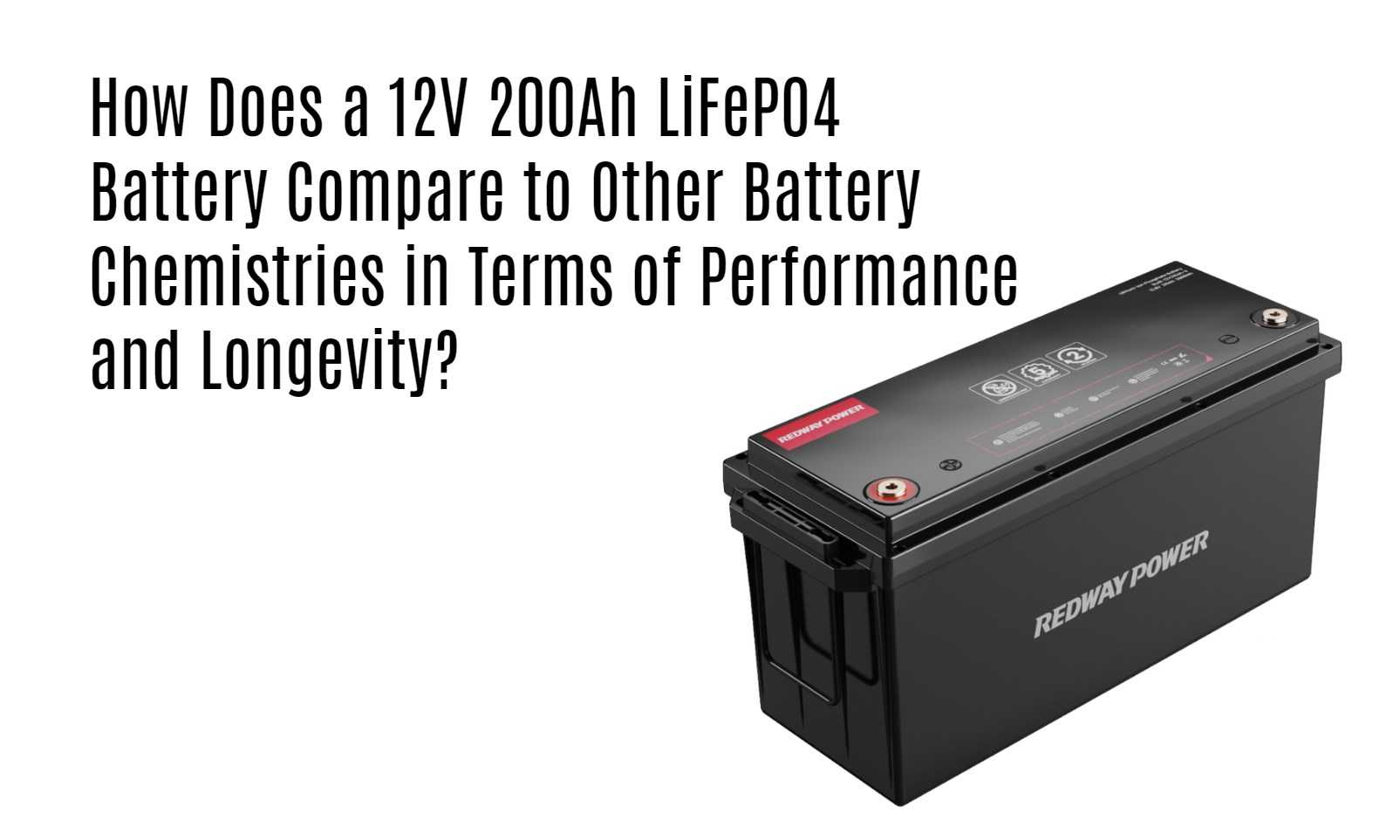
Maximizing Marine Efficiency with 12V 200Ah LiFePO4 Batteries

In the realm of marine applications, the choice of batteries plays a pivotal role in enhancing efficiency, safety, and overall performance. Among the array of options available, 12V 200Ah LiFePO4 batteries stand out as a beacon of advanced technology and superior functionality. This article delves into the myriad benefits that these batteries bring to marine enthusiasts and professionals alike.

Lightweight Marvels: Revolutionizing Mobility on Water

At the heart of their appeal lies the remarkable lightweight design of 12V 200Ah LiFePO4 batteries. Unlike conventional lead-acid counterparts that burden boats with excessive weight, LiFePO4 batteries offer a significantly lighter alternative without compromising on power output. This characteristic not only simplifies installation and maneuverability on board but also contributes to enhanced fuel efficiency, allowing vessels to glide through water with reduced resistance.

Endurance Redefined: Longevity and Lifespan

Beyond their weight advantage, these batteries boast an extended lifespan that outstrips traditional options. Designed to endure the rigors of marine environments, 12V 200Ah LiFePO4 batteries provide robust performance over countless charge cycles. This reliability translates into uninterrupted usage, ensuring that marine operations remain smooth and uninterrupted even during extended voyages or demanding conditions.

Rapid Recharge Capability: Efficiency Unleashed

Time efficiency is a hallmark feature of LiFePO4 technology, exemplified by its rapid charging capabilities. Compared to conventional batteries, which may prolong downtime with extended charge times, 12V 200Ah LiFePO4 batteries expedite the replenishment process. This allows boaters to spend less time docked for charging and more time on the water, maximizing enjoyment and operational productivity.

Safety First: Mitigating Risks Onboard

Safety is paramount in marine settings, and LiFePO4 batteries excel in mitigating common risks associated with traditional battery types. Their inherent stability minimizes the likelihood of overheating or combustion, thereby enhancing onboard safety and peace of mind. Whether navigating challenging waters or facing dynamic weather conditions, these batteries provide a secure power source that boaters can rely on without compromise.

Environmental Stewardship: Sustainability in Action

Embracing LiFePO4 batteries aligns with sustainable practices due to their eco-friendly composition. Free from harmful chemicals and heavy metals, these batteries pose minimal environmental impact throughout their lifecycle. Furthermore, their recyclability underscores a commitment to reducing marine pollution, ensuring that future generations can continue to enjoy pristine aquatic environments.

Conclusion: Elevating Your Marine Experience

In conclusion, the decision to adopt 12V 200Ah LiFePO4 batteries transcends mere preference—it embodies a commitment to optimizing marine operations through innovation and reliability. From enhanced mobility and extended endurance to rapid recharging and heightened safety, these batteries redefine the standard for marine power solutions. Embrace the future of boating technology today with LiFePO4 batteries, and embark on journeys characterized by efficiency, safety, and environmental responsibility.

Maximizing Marine Efficiency with 12V 200Ah LiFePO4 Batteries


Maximizing Marine Efficiency with 12V 200Ah LiFePO4 Batteries


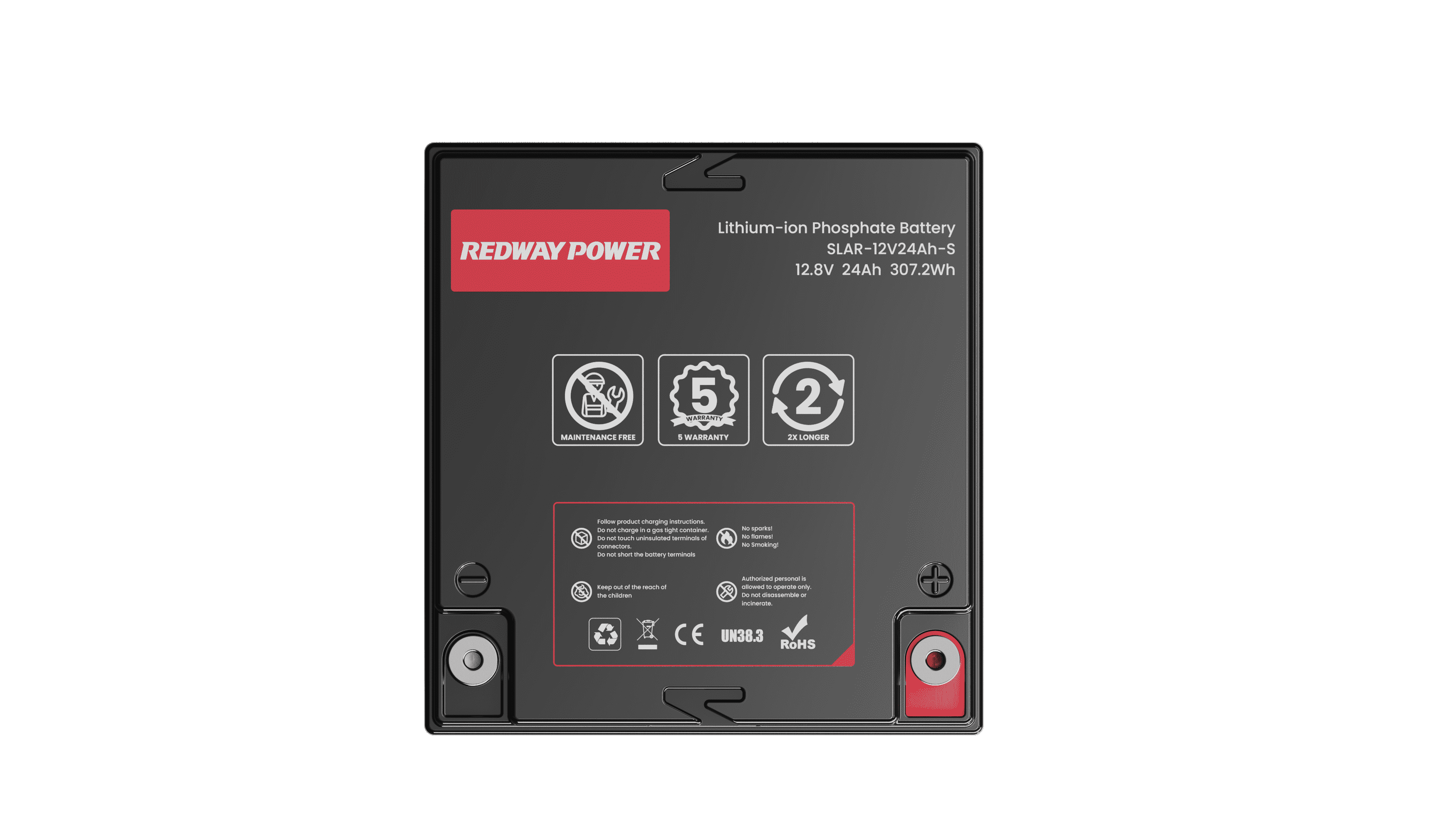
How long will it take to charge 12V 24Ah LiFePO4 Rechargeable Battery?

Charging a 12V 24Ah LiFePO4 rechargeable battery depends on factors like current, state of charge, temperature, charger efficiency, and battery age. Higher currents lead to faster charging, while extreme temperatures can affect efficiency and safety. Optimal charging time varies based on these factors, so consider all aspects for accurate estimates.

How long will it take to charge 12V 24Ah LiFePO4 Rechargeable Battery?

Factors affecting charging time

Charging a 12V 24Ah LiFePO4 battery doesn’t have to be a mystery. Let’s break down the crucial factors influencing the charging time, ensuring you get the most out of your high-speed charging experience:

  1. Current and Voltage: The speed of your LiFePO4 battery charge is influenced by the current and voltage applied. While higher currents offer faster charging, striking a balance is key to preserving battery life.
  2. State of Charge (SoC): The initial charge state matters. A completely discharged battery takes longer to reach full capacity compared to a partially charged one.
  3. Temperature: The surrounding temperature significantly impacts charging efficiency. Extreme temperatures, whether too hot or too cold, can affect both speed and safety during the charging process.
  4. Charger Efficiency: Optimal charging relies on the quality of your charger. Invest in high-quality chargers designed for LiFePO4 batteries to ensure faster charging times and protection against issues like overcharging.
  5. Battery Age: Like any rechargeable battery, age plays a role. Older batteries may need more time to reach a full charge compared to newer counterparts.

Consider these factors as your guide to estimating the charging duration for your 12V 24Ah LiFePO4 battery accurately.

Calculating charging time for a 12V 24Ah LiFePO4 battery

Planning your power usage with a 12V 24Ah LiFePO4 battery involves understanding the factors that influence its charging time. Let’s break it down into key considerations for a quick grasp:

  1. Charging Current: The speed of LiFePO4 battery charging is heavily influenced by the charging current. Higher currents mean faster charging, but always refer to the manufacturer’s specifications to ensure safe charging levels.
  2. Depth of Discharge (DOD): The extent to which the battery is discharged affects charging time. Deeper discharges require longer recharge periods, so factor in how much your battery has been used.
  3. Temperature Impact: Temperature matters. Lower temperatures slow down charging, while higher temperatures can speed it up. Be mindful of safety concerns with extreme temperatures.

While you can estimate charging times by dividing capacity by two times the charge rate, keep in mind this is a rough guide. Variables like charger efficiency and energy losses during transfer may affect actual charging times. For precise estimates, consider all factors and refer to your specific charger’s characteristics.

Tips for faster charging

Eager to cut down on charging time for your 12V 24Ah LiFePO4 battery? Check out these quick tips for a faster and more efficient charging experience:

  1. Choose the Right Charger: Opt for a charger specifically designed for LiFePO4 batteries with a high current output. Using an incompatible charger not only slows down charging but can also harm your battery. Make a smart choice for efficient and speedy recharging.
  2. Temperature Matters: Monitor the temperature during charging. LiFePO4 batteries charge faster within an optimal temperature range (usually between 0°C and 45°C). Adjust the environment slightly if needed to maximize charging efficiency.
  3. Avoid Extremes and Invest in Quality: Prevent overcharging or undercharging by investing in a quality charger with protection features. Look for safeguards like overcharge protection and automatic shut-off when the battery is fully charged. Also, consider having multiple batteries for continuous usage and simultaneous charging.

By adhering to these straightforward tips, you’ll streamline the charging process for your LiFePO4 battery, ensuring it’s ready to roll whenever you need reliable power.

Comparison to other types of batteries

Looking for the right battery for your needs? Consider LiFePO4 rechargeable batteries for these key reasons:

  1. Extended Lifespan: LiFePO4 batteries outshine others with a longer lifespan, reducing the frequency of replacements and ensuring lasting performance.
  2. High Energy Density: Enjoy more power in a compact size. LiFePO4 batteries boast high energy density, providing efficient and reliable power in a lightweight package.
  3. Rapid Charging: Say goodbye to long charging times. LiFePO4 batteries charge swiftly due to their low internal resistance, offering a convenient and time-efficient power solution.
  4. Lightweight and High Discharge Rate: Ideal for weight-sensitive applications, LiFePO4 batteries are lightweight and deliver a high discharge rate, ensuring optimal power efficiency.

While LiFePO4 batteries may have a higher upfront cost, their long-term benefits and performance make them a smart and cost-effective investment for various applications.

Charging safety precautions

Safely charging LiFePO4 batteries is paramount for their longevity and preventing potential hazards. Here’s a quick guide to important safety measures:

  1. Choose a Compatible Charger: Always use a charger specifically designed for LiFePO4 batteries to avoid overcharging, overheating, or potential explosions.
  2. Ventilate Charging Area: Charge LiFePO4 batteries in well-ventilated spaces to dissipate heat generated during the charging process and prevent overheating.
  3. Prevent Overcharging: Monitor the charging process closely and disconnect the charger once the LiFePO4 battery reaches full capacity to avoid overcharging and extend its lifespan.
  4. Avoid Unattended Charging: Never leave LiFePO4 batteries charging unattended for extended periods to minimize the risk of accidents such as short circuits or fires.
  5. Proper Storage: When not in use, store LiFePO4 batteries in a cool, dry place away from direct sunlight and extreme temperatures to maintain their condition.

By adhering to these straightforward safety precautions, you can ensure the secure and efficient charging of your 12V 24Ah LiFePO4 rechargeable battery, preserving both its performance and durability.

Search products

Need a Quick Quote on Wholesale Prices? Contact Redway Battery Now.

X
Product has been added to your cart


Shenzhen Redway Power, Inc

Tel: +86 189 7608 1534
Tel: +86 (755) 2801 0506
E-mail: contact@redwaybattery.com
Website: www.redway-tech.com
Youtube: @RedwayPower
TikTok: @redwaybattery

Get a Quick Quote

Hot OEM

Forklift Lithium Battery
Golf Cart Lithium Battery
RV Lithium Battery
Rack-mounted Lithium Battery

Hot Batteries

24V 150Ah Forklift Lithium Battery
24V 200Ah Forklift Lithium Battery
48V 400Ah Forklift Lithium Battery
48V 600Ah Forklift Lithium Battery
80V 400Ah Forklift Lithium Battery
36V 100Ah Golf Cart Lithium Battery
48V 100Ah Golf Cart Lithium Battery
51.2V 50Ah 3U Rack-mounted Lithium Battery
51.2V 100Ah 3U Rack-mounted Lithium Battery
12V 100Ah RV LiFePO4 Lithium Battery (Self-heating)

Hot Blog

Golf Carts
Server Rack Battery
Knowledge