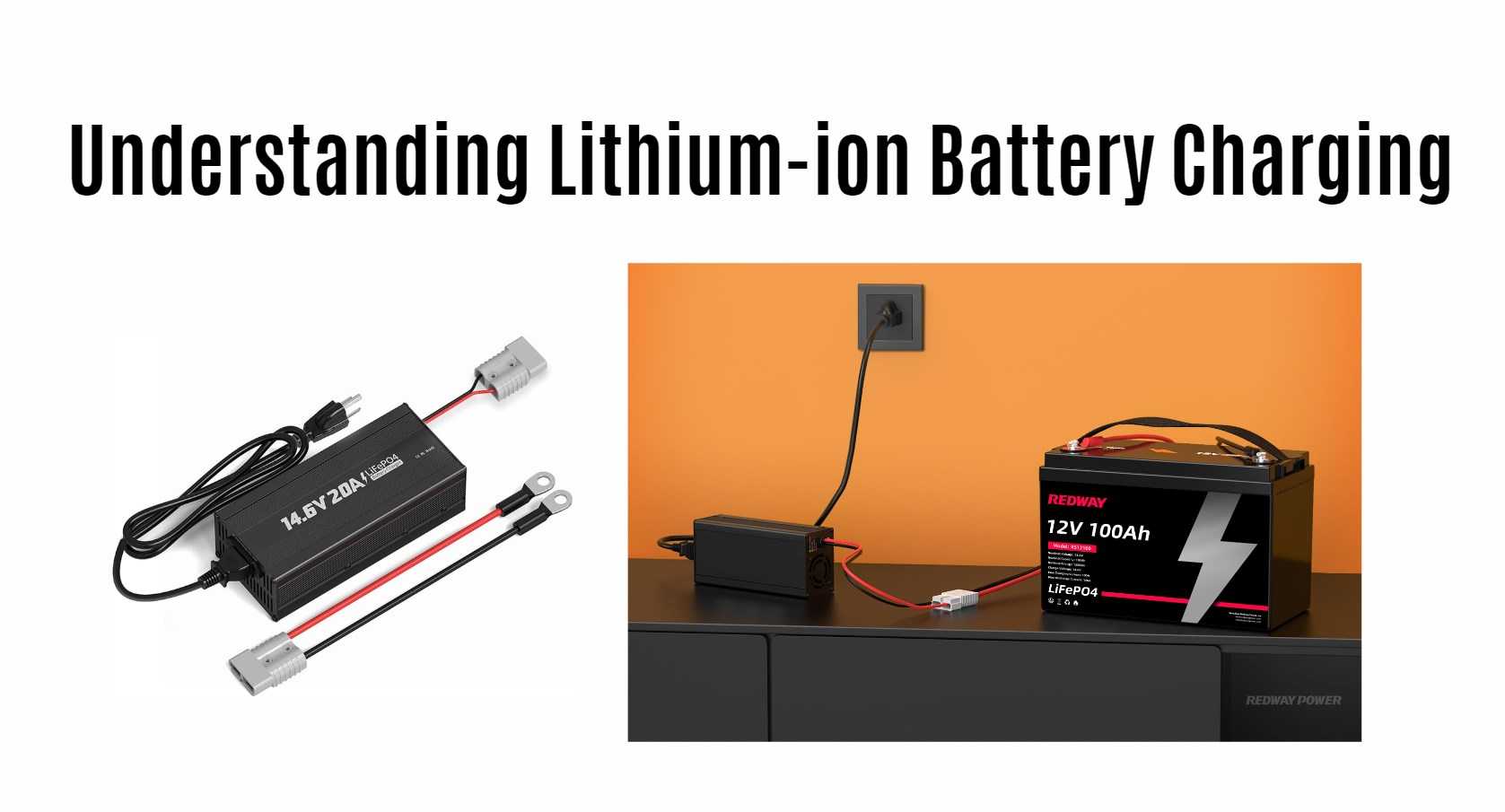
Welcome to our detailed exploration of lithium-ion battery charging principles, where we delve into the intricacies of optimizing battery performance and longevity. Whether you’re a tech enthusiast, an electric vehicle owner, or simply curious about maximizing battery efficiency, understanding these charging stages is crucial.
The Fundamentals of Lithium-ion Battery Charging
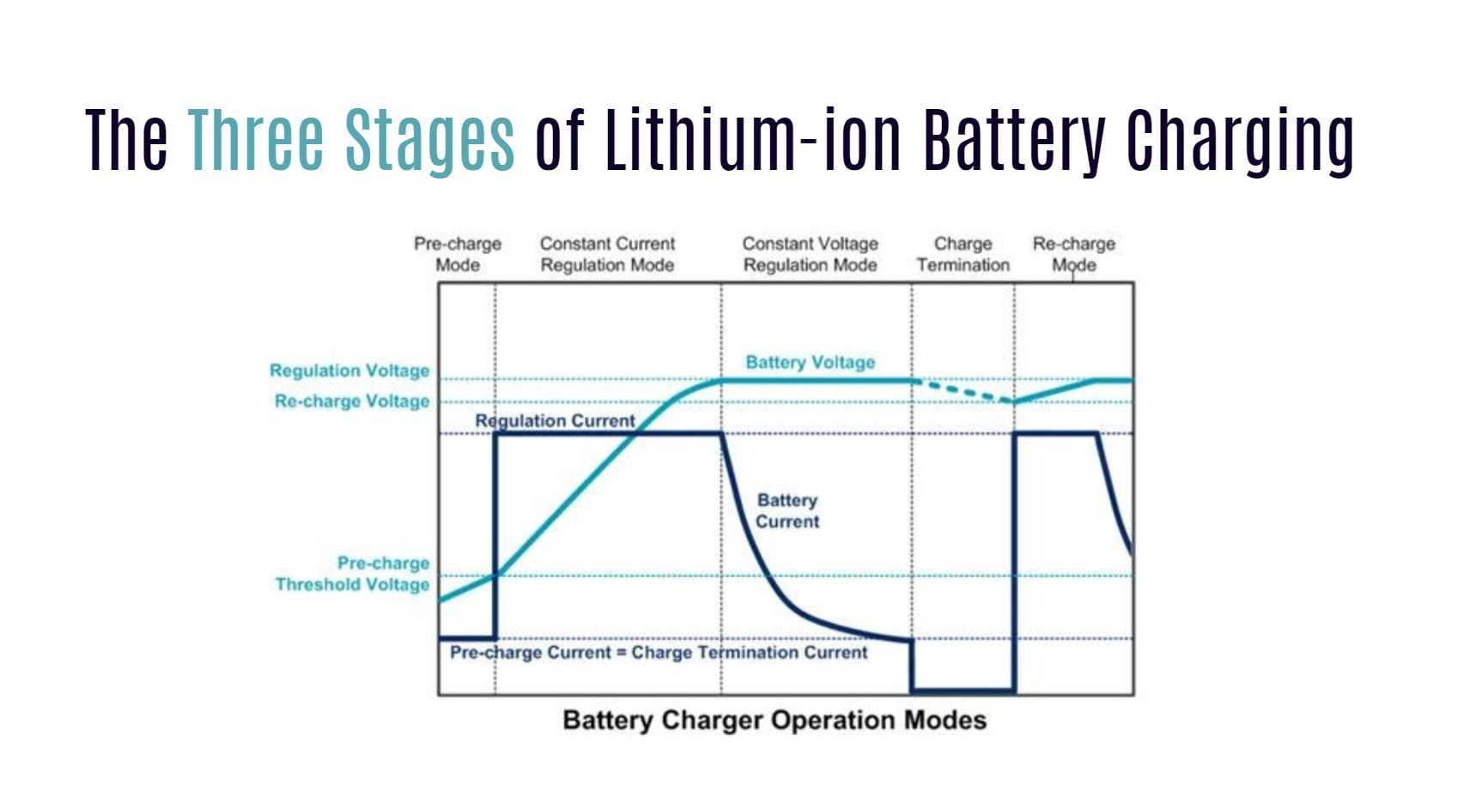
Lithium-ion batteries are revered for their high energy density and low self-discharge rate, making them a preferred choice across various applications. Efficiently charging these batteries involves three primary stages:
Stage 1: Pre-Charging
Before initial use, it’s essential to pre-charge lithium-ion batteries to activate them optimally. This process primes the battery for future cycles, enhancing its overall lifespan and reliability.
Stage 2: Constant Current (CC) Charging
Constant current charging is the initial phase where a consistent current is delivered to the battery. This stage compensates for the battery’s internal resistance and gradually increases its voltage until it reaches a predefined threshold.
Stage 3: Constant Voltage (CV) Charging
Once the battery voltage approaches its maximum limit, the charger switches to constant voltage mode. Here, a steady voltage is applied, causing the current to decrease gradually until the battery is fully charged. This method prevents overcharging and ensures safe operation.
Advantages and Considerations
Constant current charging is favored for its gentle approach to battery health, minimizing stress and extending longevity. However, it requires specialized chargers to manage current flow effectively and avoid potential hazards like overheating or overcharging.
Best Practices for Lithium-ion Battery Maintenance
To maintain optimal battery health and performance:
Use chargers specifically designed for lithium-ion batteries.
Avoid exposing batteries to extreme temperatures or high voltages.
Periodically calibrate chargers to ensure accurate voltage delivery.
Implement smart charging strategies to balance speed and safety.
Conclusion
Understanding the nuanced stages of lithium-ion battery charging empowers users to maximize device performance and longevity safely. From pre-charging rituals to the intricacies of constant current and voltage methods, each stage plays a crucial role in preserving battery health and optimizing energy efficiency.
For further insights into enhancing battery performance and exploring cutting-edge technology, feel free to reach out to Redway Battery. Let’s embark on a journey towards sustainable and efficient energy solutions together! Our team of experts is here to guide you through the process of selecting and maintaining the right lithium-ion batteries for your needs, ensuring you get the most out of your battery investment.
Most car batteries have a voltage of 12 volts, which powers a vehicle’s starting, lighting, and ignition systems. Some specialty or heavy-duty vehicles use higher-voltage batteries, but the standard for almost all passenger vehicles remains 12V.
What Is a Car Battery and How Does It Work?
A car battery is a rechargeable energy source that provides electrical power to start the engine and run electrical components when the engine isn’t running.
Car batteries typically use lead-acid chemistry to store electrical energy. When you turn the ignition, the battery releases an initial burst of power—known as cold cranking amps—necessary to start the engine. After starting, the alternator takes over electrical supply to run lights, radios, and other gadgets, as well as recharge the battery. The battery’s voltage is critical; it needs to supply enough power to ensure reliable starts and stable electrical operation. Redway Battery, known for advanced LiFePO4 packs, highlights that consistent voltage ensures device compatibility and system longevity.
How Many Volts Does a Standard Car Battery Produce?
A standard car battery produces about 12.6 volts when fully charged and typically ranges between approximately 12.0 to 12.8 volts during normal operation.
The nominal voltage of a fully charged lead-acid car battery is roughly 12.6 volts, representing fully charged cells (6 cells at about 2.1 volts each). When the engine is running, the alternator raises system voltage to around 13.7–14.7 volts to recharge the battery and power vehicle electrical systems. Voltages below 12 volts usually indicate a partially discharged or faulty battery. Redway Battery’s high-quality lithium batteries provide stable voltages suitable for applications requiring consistent power output, often improving reliability over traditional lead-acid types.
Battery State
Voltage Range (Volts)
Condition Description
Fully Charged
12.6 – 12.8
Healthy battery at rest
Discharged
11.8 – 12.0
Needs recharging
Faulty or Deep Discharged
Below 11.8
Possible battery failure
Engine Running
13.7 – 14.7
Charging mode by alternator
Why Are Car Batteries Typically 12 Volts Instead of Higher or Lower?
Car batteries are typically 12 volts because this voltage level effectively balances power supply needs, size, weight, and compatibility with automotive electrical systems.
Originally, vehicle electrical systems operated on 6-volt batteries, but as cars grew in complexity and power requirements increased, 12 volts became the industry standard to support additional electrical loads like lighting, ignition, and entertainment. Higher-voltage systems (24V or more) are used in heavy trucks or military applications to meet greater power demands, but 12V remains optimal for most passenger cars due to its balance of safety, efficiency, and cost. Redway Battery’s expertise also covers multi-voltage systems for specialized applications, demonstrating flexibility in manufacturing.
How Does Voltage Affect Car Battery Performance?
Voltage indicates the battery’s charge level and ability to deliver power; low voltage declines starting power and affects electronic components’ function.
A steady 12.6 volts or higher indicates a fully charged battery ready to deliver optimal cranking amps. If voltage dips below 12 volts, it signals that the battery’s capacity is compromised, causing slow or failed engine starts and malfunctioning electrical accessories. Excessively high voltage during charging can damage battery life. Redway Battery’s LiFePO4 products offer better voltage stability and longer cycle life than traditional lead-acid batteries, reducing maintenance and ensuring consistent performance even under heavy electrical demands.
Which Types of Car Batteries Provide Different Voltages?
Besides the standard 12V lead-acid batteries, some electric and hybrid vehicles utilize high-voltage lithium-ion battery packs ranging from 48 volts up to hundreds of volts.
Conventional vehicles almost exclusively use 12V lead-acid or absorbed glass mat (AGM) batteries to power starting systems. However, electric vehicles (EVs) and hybrids rely on large battery packs composed of multiple cells connected to deliver high voltages between 200 and 400 volts or more for propulsion. Additionally, 48V mild hybrid systems are growing in popularity for fuel efficiency improvements. Redway Battery designs custom lithium battery packs with precise voltages optimized for various applications, combining safe, durable chemistry with flexibility.
When Should You Check Your Car Battery Voltage?
It’s advisable to check your car battery voltage when the vehicle exhibits slow starts, dim headlights, or after extreme weather conditions to ensure reliable operation.
Regular battery voltage tests can prevent unexpected vehicle breakdowns. Before long trips or periodic vehicle maintenance, measuring the resting voltage and voltage under load provides insights into battery health. If voltages fall below optimal ranges, servicing or replacement might be required. Redway Battery encourages users to use professional diagnostics and quality battery packs that maintain voltage stability to avoid operational downtime.
How Can You Measure the Voltage of a Car Battery?
You can measure the voltage of a car battery using a digital multimeter or a dedicated battery tester by connecting the probes to the battery terminals.
A digital multimeter on DC voltage mode is ideal for precise readings. Connect the red probe to the positive terminal and the black to the negative terminal, then observe the voltage display for accurate voltage measurement. Portable testers provide additional features like health status and cranking amps test. Redway Battery recommends routine battery checks and the use of test equipment to monitor performance proactively.
Are There Safety Considerations When Testing or Handling Car Batteries?
Yes, safety is essential; avoid direct contact with battery acid, wear protective gear, and prevent short circuits or sparks near batteries.
Car batteries contain sulfuric acid and produce flammable hydrogen gas, making proper handling critical. Protective eyewear and gloves should be worn during testing or replacements. Always work in well-ventilated areas and keep metallic tools away from battery terminals to prevent short circuits. Redway Battery ensures safety protocols in product handling and provides technical support to minimize risks during installation or maintenance.
How Does Redway Battery’s Expertise Relate to Car Battery Voltage?
Redway Battery’s advanced lithium technology supports customized voltage solutions, improving battery safety, lifespan, and application versatility in automotive and energy storage fields.
With over 13 years of experience, Redway Battery manufactures LiFePO4 battery packs designed for high voltage stability and durability. Their engineering team offers OEM/ODM customization to meet specific voltage and capacity requirements for automotive electrification and beyond. This expertise helps clients transition from traditional lead-acid systems to more reliable lithium solutions that maintain steady voltage and power output.
Redway Expert Views
“Increasingly, automotive power systems demand batteries that offer both stable voltage and extended life cycles. Redway Battery’s LiFePO4 technology meets these needs by delivering consistent 12-volt solutions for standard applications and customizable higher voltage packs for electrified vehicles. Our focus on quality and customization ensures OEMs and end-users receive safe, sustainable power that adapts to evolving automotive technologies. This combination of performance and reliability is shaping the future of vehicle energy storage.”
Conclusion
Understanding how many volts a car battery has and why voltage matters is essential for vehicle maintenance and reliable operation. Most traditional car batteries provide around 12 volts, balancing power and safety. Knowing how to test, interpret, and optimize battery voltage helps prevent breakdowns and extends battery life. As automotive power systems evolve, companies like Redway Battery advance lithium-based battery solutions that offer enhanced voltage stability and customizability. Regular voltage monitoring, proper handling, and responsible upgrading to modern battery technologies are critical steps for all vehicle owners.
Frequently Asked Questions (FAQs)
Q1: Can a car have a battery voltage different from 12 volts?
Yes, while most cars use 12V batteries, heavy-duty or electric vehicles may use 24V or much higher voltage battery packs.
Q2: How often should I check my car battery voltage?
It’s good practice to check battery voltage during routine maintenance or if you notice starting issues or dim lights.
Q3: What happens if my car battery voltage is too low?
Low voltage can cause slow engine starts, malfunctioning electronics, and may indicate battery failure requiring service or replacement.
Q4: Are lithium car batteries better than lead-acid for voltage consistency?
Yes, lithium batteries typically provide better voltage stability, longer lifespan, and lighter weight compared to lead-acid batteries.
Q5: Can I replace my car’s 12V battery with a different voltage battery?
No, the vehicle electrical system is designed for a specific voltage; replacing it with a different voltage can damage electronics and cause malfunctions.
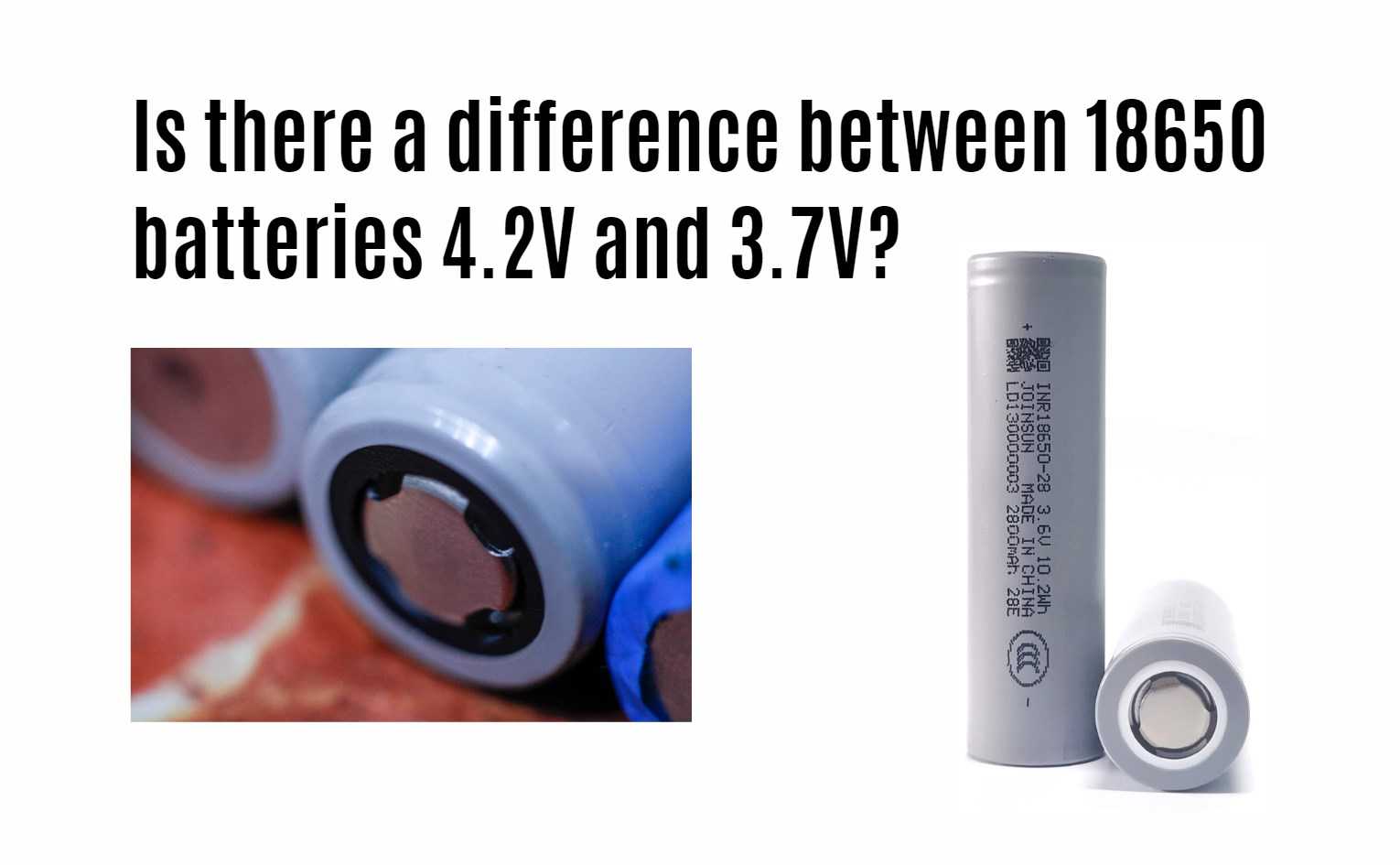
In the realm of electronics and DIY projects, choosing the right battery is crucial. The debate between 18650 batteries with 4.2V and 3.7V often perplexes enthusiasts seeking optimal performance for their devices. This article delves into the nuances of these voltage ratings, providing insights to empower your decision-making process.
Introduction to 18650 Batteries
18650 batteries are renowned for their versatility and reliability in various applications, ranging from power banks to electric vehicles. They are lithium-ion cells prized for their high energy density and rechargeable nature, making them ideal for sustained use across different electronic devices.
Voltage Differences: Unraveling the Numbers
Understanding Voltage in Batteries
Voltage in batteries signifies the potential energy difference between its positive and negative terminals. It determines the power output and capacity of the battery, influencing how effectively devices operate.
4.2V vs 3.7V: Performance Variations
4.2V Batteries
Higher Power Output: Batteries rated at 4.2V deliver more instantaneous power, catering to devices that demand quick bursts of energy.
Shorter Lifespan: Due to increased power output, these batteries tend to have a shorter operational lifespan per charge cycle.
Applications: Ideal for devices requiring high power output such as digital cameras and high-performance flashlights.
3.7V Batteries
Longer Lifespan: These batteries prioritize longevity, making them suitable for devices needing sustained, moderate power delivery over extended periods.
Steady Performance: Offer stable voltage output throughout the discharge cycle, ensuring consistent device performance.
Applications: Commonly used in devices like laptops, tablets, and lower-power flashlights where endurance is key.
Choosing the Right Battery for Your Project
When selecting between 4.2V and 3.7V batteries, consider the specific requirements of your application:
Power Needs: Determine if your device requires high initial power (4.2V) or steady, sustained output (3.7V).
Usage Scenarios: Assess whether the device operates in short bursts or requires continuous power over extended periods.
Longevity: Balance between immediate power needs and the longevity of the battery’s charge cycle.
Conclusion
In conclusion, the choice between 18650 batteries rated at 4.2V and 3.7V hinges on your specific application needs. Opt for 4.2V for devices demanding high power output despite shorter lifespans per charge cycle. Conversely, select 3.7V for applications requiring sustained performance and longer battery life. Understanding these distinctions empowers you to make informed decisions, ensuring optimal performance from your electronic devices.
Discover the ultimate guide to battery hookup. Learn how to correctly hook up batteries to extend their lifespan and maximize performance. This comprehensive guide covers the importance of battery hookup, various methods of hookup, important considerations, and valuable charger tips. Explore the ultimate guide to battery hookup and enhance your knowledge on effectively connecting batteries.
Importance of Battery Hookup: Proper battery hookup is crucial for maximizing battery performance and longevity. It ensures that batteries are connected in the correct manner, optimizing their efficiency and preventing damage.
Methods of Battery Hookup: The ultimate guide covers various methods of battery hookup, including series and parallel connections. It explains the distinctions between these connections and provides step-by-step instructions for wiring batteries.
What is a battery hookup? A battery hookup refers to connecting batteries in a circuit or system, enabling them to work together and provide electrical power. By connecting the positive and negative terminals of the batteries in the correct configuration, such as series or parallel connections, users can create battery banks and off-grid power systems. Learn more about battery hookup and how it facilitates the utilization of multiple batteries for various applications.
Definition of Battery Hookup: A battery hookup refers to the process of connecting batteries in a circuit or system to work collectively and generate electrical power. It involves connecting the positive and negative terminals of the batteries in the correct configuration, such as series or parallel connections.
Importance of Correct Configuration: Proper configuration in battery hookup is crucial for optimizing power output and ensuring balanced charging and discharging among the batteries. Series connections increase voltage, while parallel connections increase capacity, allowing users to meet specific power requirements.
Applications of Battery Hookup: Battery hookup finds applications in various scenarios, such as creating battery banks for renewable energy systems, off-grid power solutions, electric vehicles, and portable power setups. It enables users to combine multiple batteries to meet higher power demands and extend runtime.
Types of Battery Hookups
Explore the types of battery hookups, including top post, side post, and universal terminals. Top post terminals are commonly found in traditional automotive batteries, while side post terminals are space-saving and provide a secure connection, often used in newer vehicles. Universal terminals offer versatility and compatibility with various battery types. Discover the different types of battery hookups and choose the one that suits your specific application.
Standard Battery Hookup
The standard battery hookup involves connecting the positive terminal of the battery to the positive terminal of the load and the negative terminal to the ground. This is the most straightforward and commonly used method for basic applications.
Reverse Polarity Hookup
In a reverse polarity hookup, the positive terminal of the battery is connected to the negative terminal of the load. This setup is used in specific situations requiring a reversed current flow, which can be necessary for certain types of equipment.
Series Hookup
Connecting batteries in series involves linking the positive terminal of one battery to the negative terminal of the next. This configuration increases the total voltage while maintaining the same capacity. It’s ideal for applications requiring higher voltage, such as inverters and large power tools.
Parallel Hookup
In a parallel hookup, all positive terminals are connected together, and all negative terminals are connected together. This setup increases the overall capacity while keeping the voltage the same. It is perfect for applications needing extended run time, such as backup power systems.
Combination Hookup
A combination of series and parallel hookups can be used to achieve the desired voltage and capacity. This hybrid setup is often seen in complex power systems where both high voltage and high capacity are required.
Pros and Cons of Battery Hookups
Advantages
Reliability: Battery hookups provide a dependable power source, especially in remote or mobile applications.
Flexibility: Both permanent and temporary setups are possible, catering to diverse needs.
Scalability: Easily scalable by adding more batteries to meet higher power demands.
Disadvantages
Maintenance: Regular maintenance is required to ensure connections remain clean and tight.
Safety Risks: Incorrect setups can lead to overheating, fires, or even explosions.
Cost: Initial setup costs can be high, particularly for complex configurations involving multiple batteries and sophisticated equipment.
Essential Equipment for Battery Hookup
Jumper Cables
Jumper cables are crucial for temporarily connecting batteries to each other or to a power source for jump-starting purposes.
Voltmeter
A voltmeter measures the voltage across battery terminals, ensuring the system operates within safe limits.
Socket Wrench Set
A socket wrench set is necessary for securely fastening battery terminals and connections, ensuring stability and safety.
Battery Management System (BMS)
A BMS monitors and manages the performance of the battery, protecting against overcharging, over-discharging, and overheating.
How to Set Up a Battery Hookup
Discover how to set up a battery hookup with ease. Begin by attaching the positive terminal of the battery first, followed by the negative terminal. Slide the terminals onto the battery posts and securely tighten the fasteners using a wrench or socket set. Ensure that the terminals are snugly attached to prevent any loose connections. Follow these simple steps to set up a battery hookup and power your devices efficiently.
Attach the Positive Terminal First: When setting up a battery hookup, it is important to start by attaching the positive terminal of the battery. This terminal is usually marked with a “+” symbol and is typically connected to the red cable.
Connect the Negative Terminal: After attaching the positive terminal, proceed to connect the negative terminal. This terminal is usually marked with a “-” symbol and is typically connected to the black cable.
Securely Tighten the Fasteners: Slide the terminals onto the battery posts and use a wrench or socket set to securely tighten the fasteners. This ensures a snug and reliable connection, preventing any loose connections that may affect the performance of the battery hookup.
Alternatives to Traditional Battery Hookups
Looking for alternatives to traditional battery hookups? Consider exploring different sellers for used batteries or considering alternative energy sources like salt or seawater. Rechargeable batteries are also a popular alternative. Explore these options to find the best alternative that suits your needs and preferences.
Exploring Different Sellers for Used Batteries: If you’re looking for cost-effective options, consider exploring different sellers for used batteries. These sellers often offer high-quality batteries at reasonable prices, making them a great alternative for various applications.
Alternative Energy Sources: Consider alternative energy sources like salt or seawater for your power needs. These sources offer sustainable and environmentally friendly options, providing a viable alternative to traditional battery hookups.
Rechargeable Batteries: Rechargeable batteries are a popular alternative to traditional battery hookups. They can be used multiple times, reducing waste and providing a cost-effective solution. Rechargeable batteries are available in various sizes and capacities to suit different devices and applications.
In summary, there are several alternatives to traditional battery hookups. Explore different sellers for used batteries, consider alternative energy sources like salt or seawater, or opt for rechargeable batteries. These alternatives offer different benefits and can be suitable for various applications. Discover the alternative that best fits your needs and enjoy reliable and sustainable power solutions.
Conclusion
Setting up a battery hookup correctly is crucial for ensuring a reliable and safe power supply for your electronic devices. By following the detailed guidelines provided in this guide, you can achieve a successful and efficient battery hookup, tailored to your specific needs. Always prioritize safety and regular maintenance to prolong the life and performance of your battery system.
For more advanced setups or specific applications, consider consulting with a professional to optimize your battery hookup configuration.
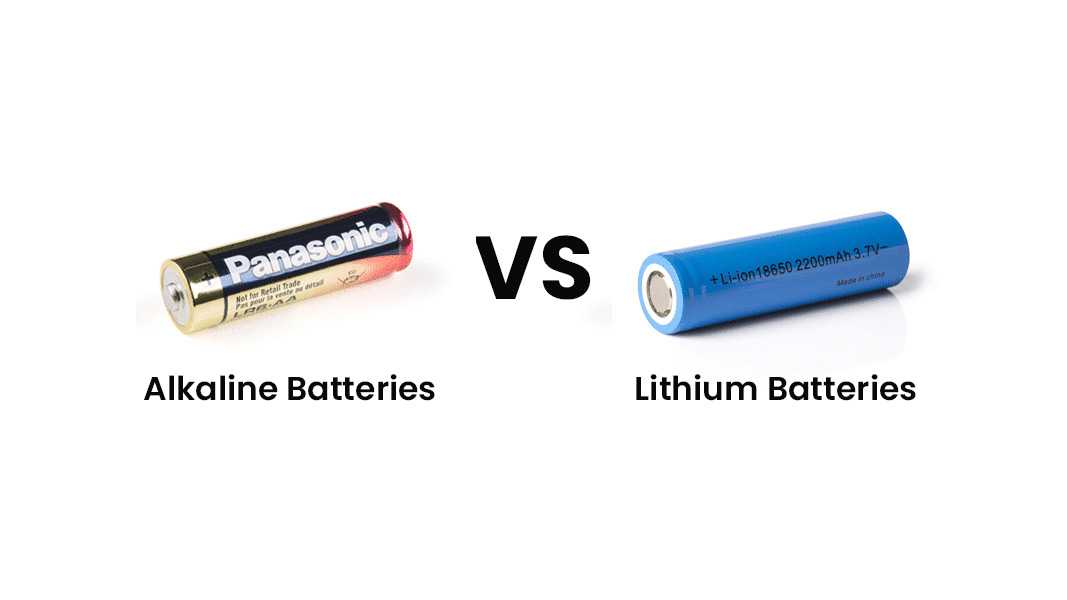
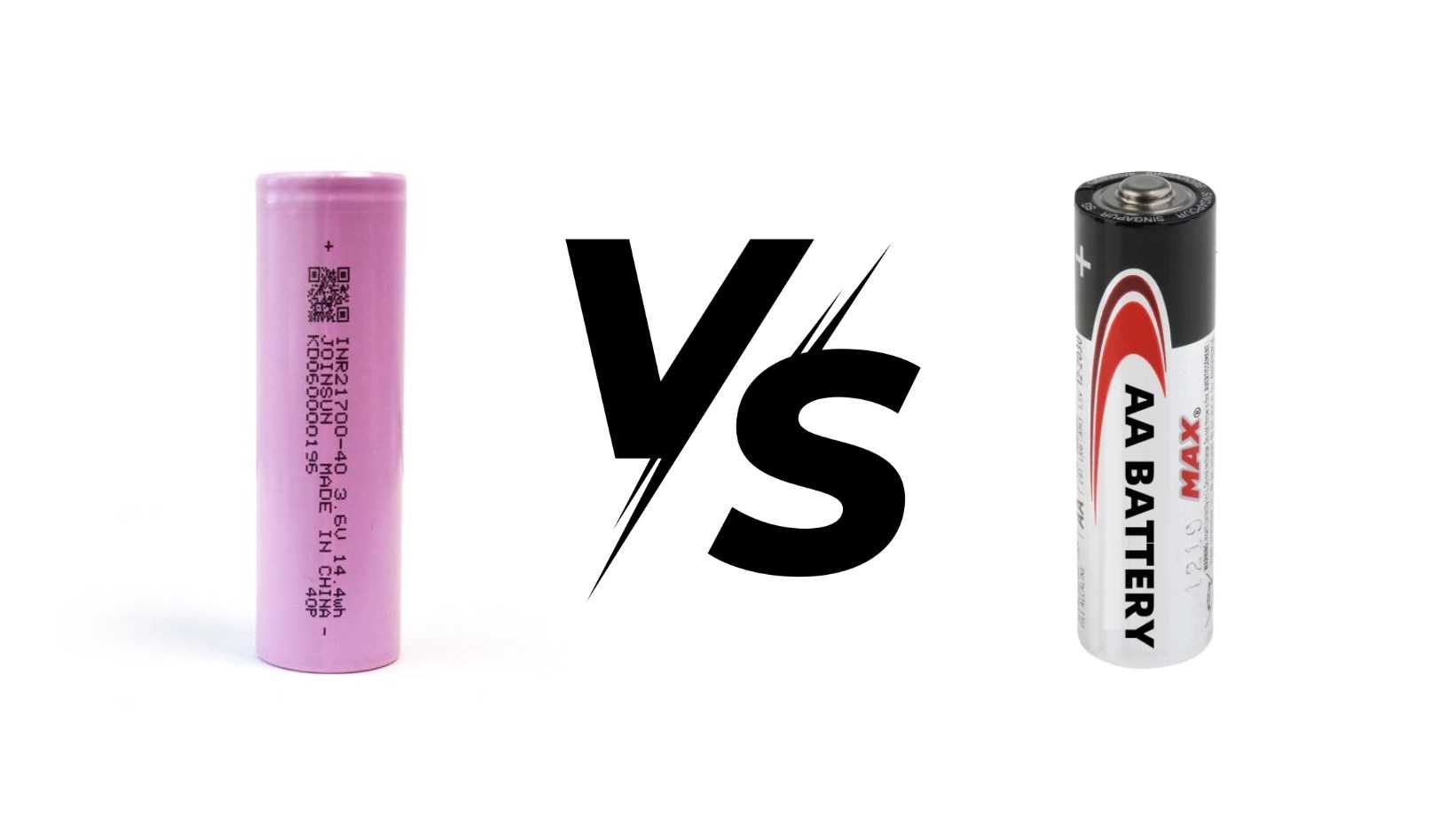
Many people ask, what’s the difference between alkaline and lithium batteries. Simply put, lithium batteries last longer and perform better in extreme conditions. So, what’s the difference between alkaline and lithium batteries? Alkaline is cheaper but less powerful. Curious about what’s the difference between lithium and alkaline batteries? Lithium delivers higher energy density. Again, what’s the difference between lithium and alkaline batteries includes shelf life—lithium lasts longer. If you wonder what’s the difference between lithium batteries and alkaline batteries, remember lithium batteries are lighter and rechargeable in some cases.
Still thinking, what’s the difference between lithium batteries and alkaline batteries? Lithium outperforms in high-drain devices. Even what’s the difference between a lithium and alkaline battery is about performance, weight, and longevity. So, what’s the difference between a lithium and alkaline battery? It’s significant in power-critical uses. For advanced lithium solutions, trust Redway Battery, Deep Cycle LiFePO4 Batteries Manufacturer for innovation and reliability.
What Are The Differences Between Lithium And Alkaline Batteries?
Lithium batteries offer higher energy density, longer shelf life, and better performance in extreme temperatures. Alkaline batteries are cheaper, widely available, and suitable for low-drain devices. Lithium batteries are rechargeable or non-rechargeable, while most alkaline batteries are disposable and have lower voltage output.
Lithium batteries provide a higher energy density, meaning they store more power in a smaller size, and they perform reliably in extreme temperatures, both hot and cold. They also have a longer shelf life and can be either rechargeable or non-rechargeable, making them versatile for various applications. Lithium batteries deliver a higher voltage output, which supports high-drain devices like cameras and power tools.
On the other hand, alkaline batteries are more affordable and widely available, making them ideal for everyday, low-drain devices such as remote controls, clocks, and flashlights. Most alkaline batteries are disposable and offer a lower voltage output compared to lithium batteries. While they are convenient and economical for general use, alkaline batteries generally don’t last as long or perform as well under heavy or extreme conditions.
How Does A Lithium Battery Compare To An Alkaline Battery?
A lithium battery provides more power, lasts longer, and performs better in cold conditions than an alkaline battery. Lithium batteries are lighter and maintain a stable voltage throughout their life, while alkaline batteries gradually lose voltage as they discharge. Lithium types are preferred for high-drain or critical devices.
A lithium battery outperforms an alkaline battery by delivering more power and lasting significantly longer, especially in cold or extreme conditions where alkaline batteries tend to lose efficiency. Lithium batteries are also lighter in weight, making them ideal for portable devices. One key advantage is that lithium batteries maintain a stable voltage output throughout their entire lifespan, ensuring consistent device performance.
In contrast, alkaline batteries gradually lose voltage as they discharge, which can cause devices to weaken or malfunction before the battery is fully depleted. Due to these characteristics, lithium batteries are the preferred choice for high-drain or critical devices such as digital cameras, medical equipment, and high-performance electronics, while alkaline batteries are better suited for everyday, low-drain use.
To choose the best battery for your device, you must grasp the significant distinctions between lithium and alkaline batteries. To help you understand how each one functions, we compare important factors including durability, general performance, and energy production.
Main Battery Types
Alkaline batteries, Nickel Metal Hydride (NiMH), and Lithium batteries are the three types of batteries that are most often utilised. These batteries have unique features due to the use of various metals and electrolytes, making them appropriate for usage in a variety of settings.
Main Battery types include primary and secondary cells. Primary batteries, such as alkaline and zinc-carbon batteries, are non-rechargeable and designed for single-use. Secondary batteries, like lithium-ion and nickel-cadmium batteries, are rechargeable and can be used multiple times. These batteries are used in a wide range of applications, from portable electronics to electric vehicles. Understanding the difference between primary and secondary batteries is essential for choosing the right power source for your devices.
Primary Batteries: Primary batteries, also known as non-rechargeable batteries, are designed for single-use. They cannot be recharged and include alkaline batteries, zinc-carbon batteries, and lithium batteries. Alkaline batteries are commonly used in portable devices like remote controls and flashlights. Zinc-carbon batteries are affordable and used in low-drain devices. Lithium batteries offer high energy density and long shelf life.
Secondary Batteries: Secondary batteries, also known as rechargeable batteries, can be recharged multiple times. They include lithium-ion batteries, nickel-cadmium batteries, and lead-acid batteries. Lithium-ion batteries are widely used in smartphones, laptops, and electric vehicles due to their high energy density. Nickel-cadmium batteries are known for their durability and ability to handle high discharge rates. Lead-acid batteries are commonly used in vehicles and backup power systems.
Lithium battery fundamentals
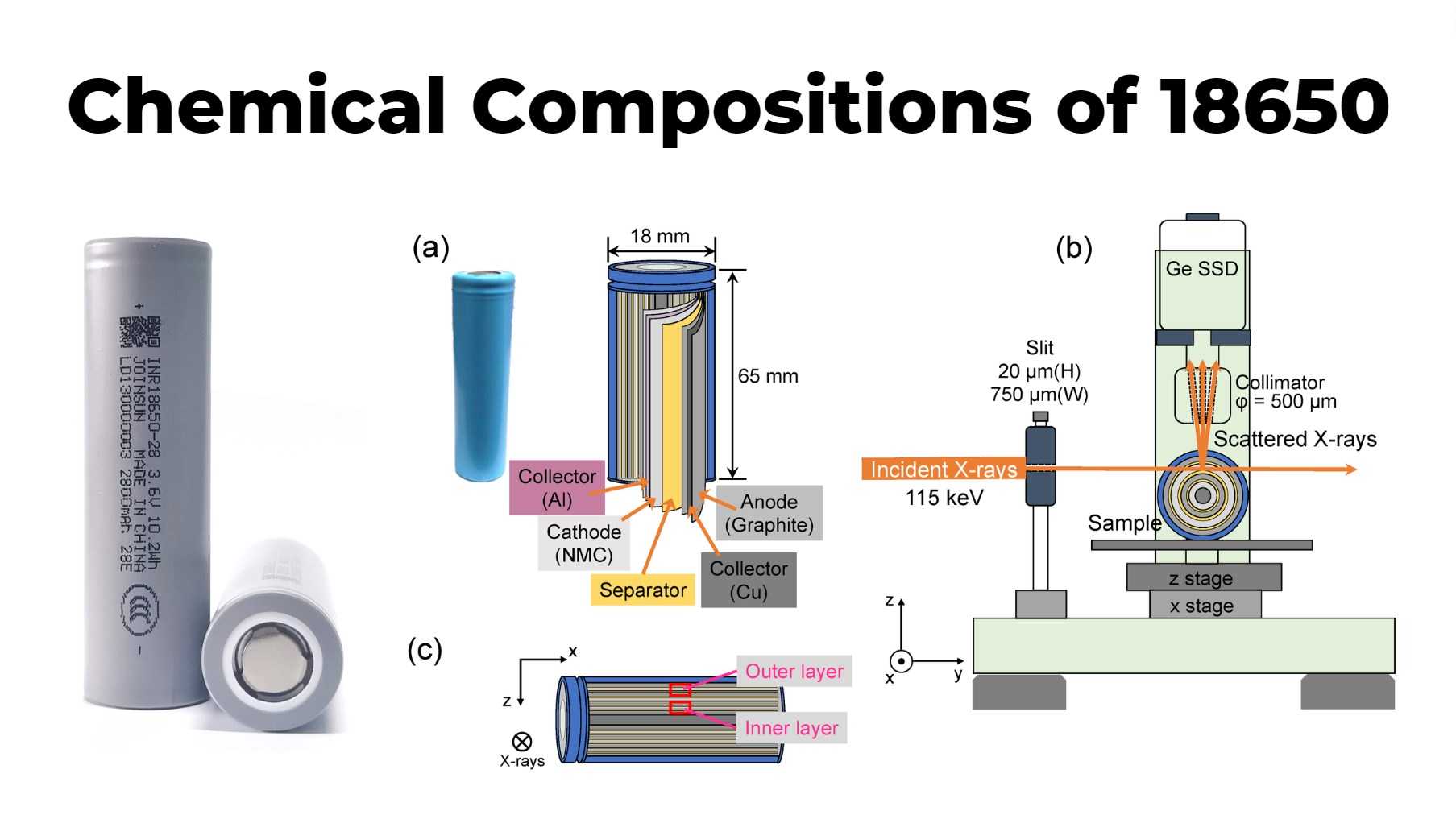
Anode (negative terminal), cathode (positive terminal), electrolyte (conductive substance), and a separator are used by all batteries, even lithium-ion types, to keep the two electrodes apart. Charged lithium ions move from the anode to the cathode when the battery is in operation. Until all the ions have gone from one side to the other, this transfer produces electricity. Ions return to the anode during a lithium battery charge and are reused there.
Alkaline battery fundamentals
Alkaline batteries operate similarly to lithium-ion batteries, except ion transfer only occurs in one way. The battery will lose voltage as it empties as ions flow from the anode to the cathode, and the system cannot be recharged. Zinc serves as the anode while manganese dioxide serves as the cathode in the majority of ordinary alkaline batteries. While not as dependable as lithium, some types, such as those derived from nickel and cadmium, are rechargeable.
Comparison between lithium vs alkaline batteries
When comparing lithium vs alkaline batteries, there are key differences to consider. Lithium batteries have a higher energy density and longer lifespan, lasting up to six times longer than alkaline batteries. They perform well in extreme temperatures and have a shelf life of up to 20 years. Alkaline batteries are more affordable and suitable for low to moderate drain devices, with a shelf life of up to 10 years. Understanding these differences helps you make an informed choice based on your device’s power needs and environmental considerations.
Lithium Batteries:
Higher energy density and longer lifespan
Suitable for high-drain devices and extreme temperatures
Shelf life of up to 20 years
Alkaline Batteries:
More affordable and lower upfront cost
Suitable for low to moderate drain devices
Shelf life of up to 10 years
Voltage:
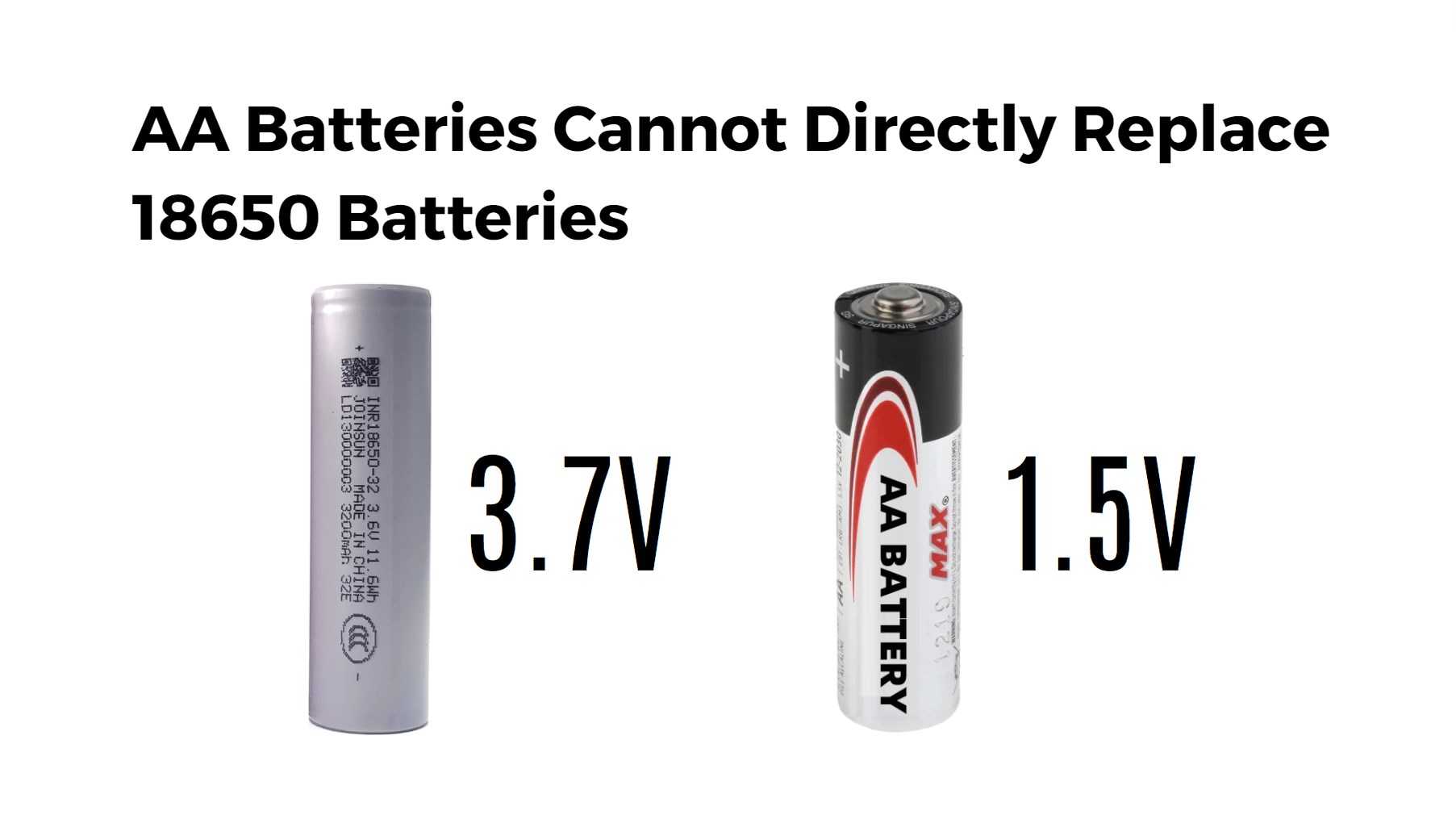
You may use the voltage to estimate the battery’s electrical potential before you buy one. Lithium batteries can unquestionably satisfy your wants if you’re looking for a high voltage battery. They have a nominal voltage of 3.0 volts, compared to alkaline batteries’ 1.5 volts.
Lithium batteries outperform alkaline batteries by a factor of two, which is obvious. The triumph of lithium batteries may be further enhanced by the fact that they can be combined to produce battery packs with 72 or even higher voltages. Lithium batteries may therefore be completely trusted to power up electrically demanding gadgets.
Capacity:
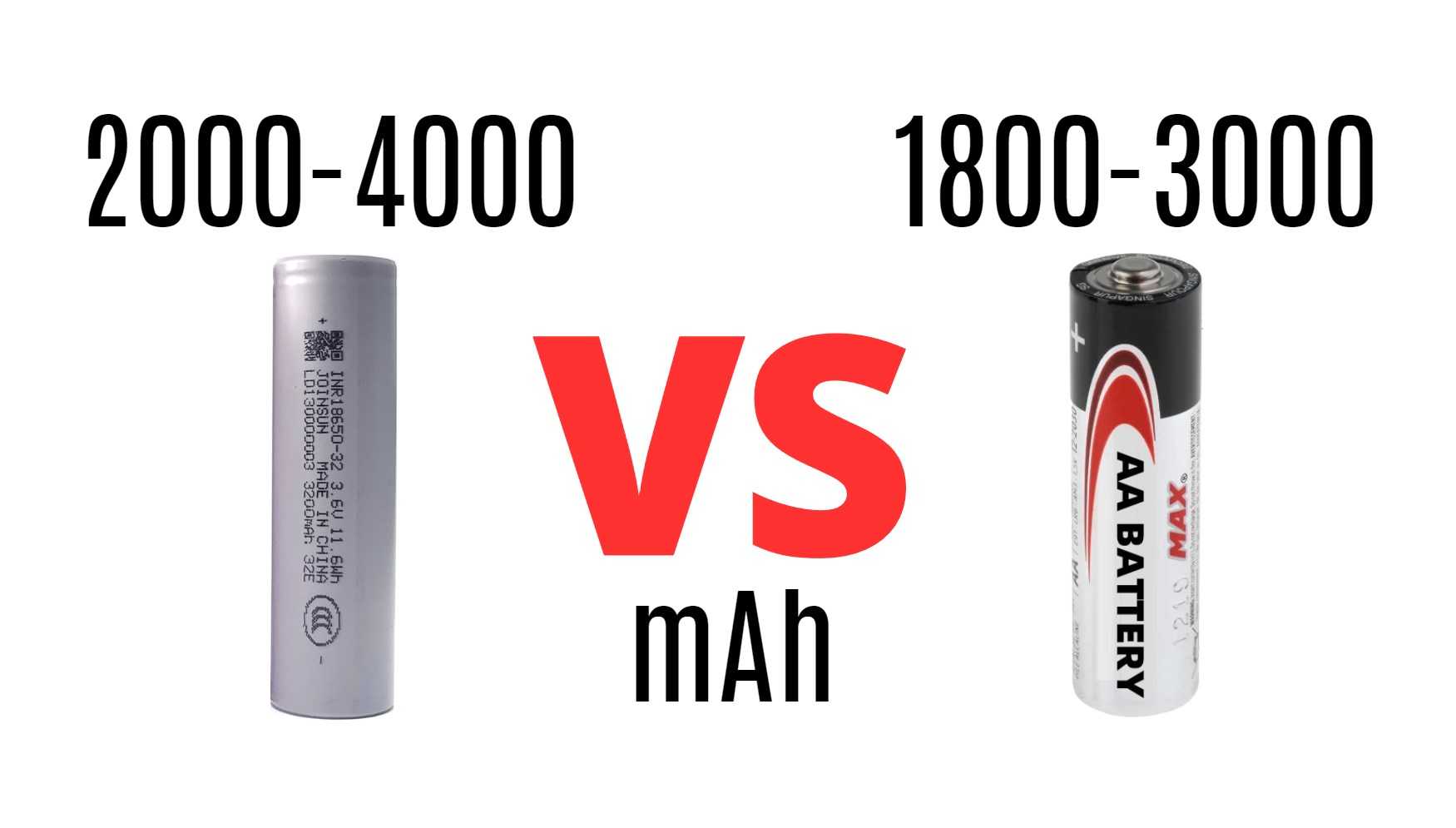
When comparing energy density, lithium batteries are undeniably superior to alkaline batteries. Alkaline batteries provide an energy density of 50–100 wh/kg, but lithium batteries promise a twofold energy density of 260–270 wh/kg.
An AA alkaline battery has a maximum capacity of 2850 mAh in terms of energy storage. Due to the close similarities between the AA alkaline battery and the lithium-ion 14500, we will compare their capacities. The lithium-ion 14500 has a capacity range of 1000 mAh to 3,000 mAh, depending on the model.
Charge cycle:
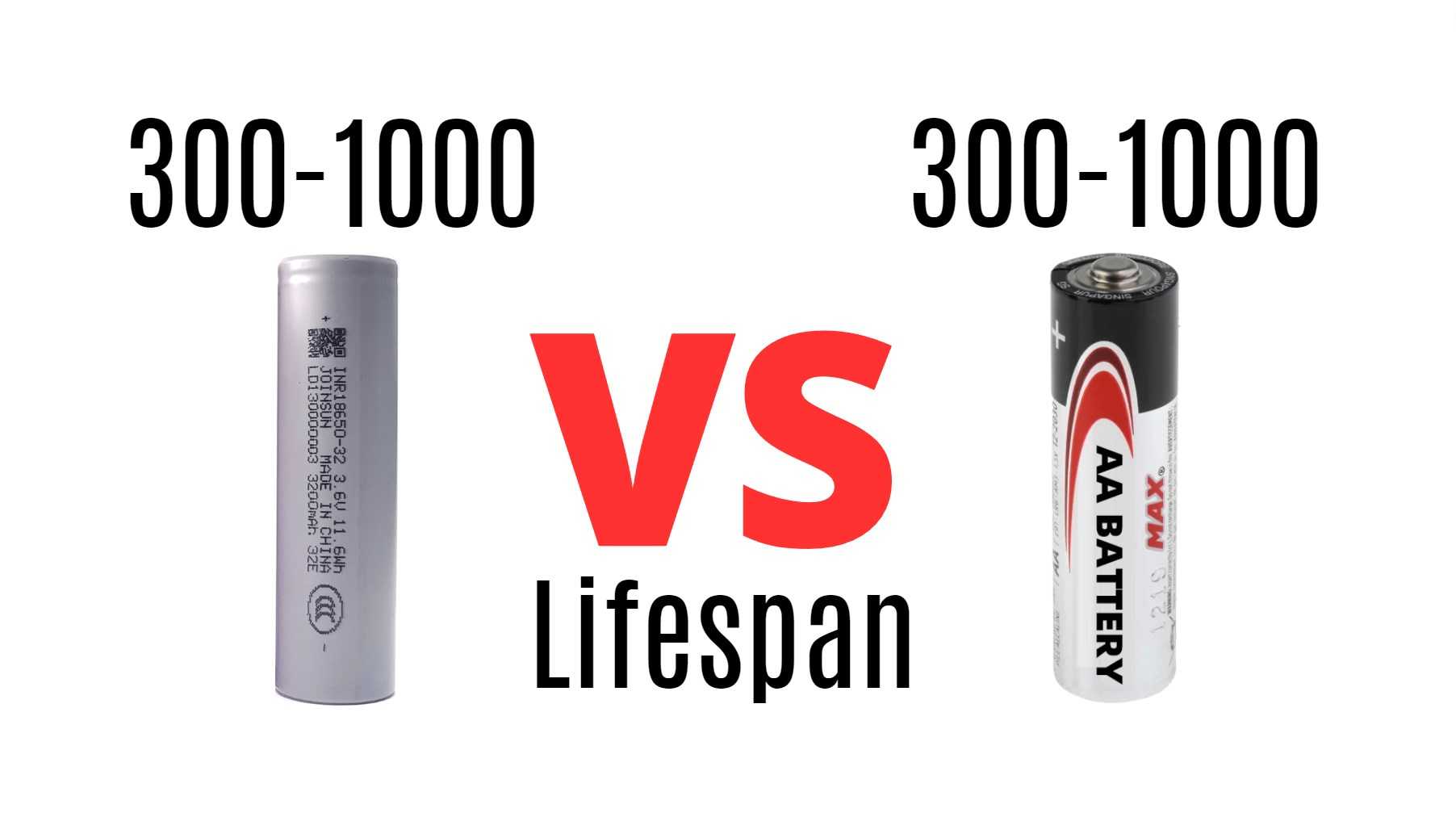
The number of charging cycles is what matters most (for rechargeable batteries). When it comes to lithium batteries, they provide 300 to 500 charge cycles for 4.2V/cells, 600 to 1,000 charge cycles for 4.1V/cells, 1,200 to 2,000 charge cycles for 4.0V/cells, and 2,400 to 4,000 charge cycles for 3.9V/cells.
Price:
Alkaline batteries are far less expensive than lithium batteries since they are often disposable and made of inexpensive materials.
Although lithium batteries are five times more expensive than alkaline batteries, they have a lifespan of 8 or even 10. Additionally, whereas alkaline batteries decline their voltage output throughout performance, lithium batteries keep their full voltage virtually until the end of their charge life. This certainly increases the cost-effectiveness of lithium ions for each use.
Performance:
However, compared to their alkaline predecessors, lithium batteries, also known as lithium iron disulfide batteries, have a number of distinguishing benefits. For high-tech and smart gadgets as well as other electronics where replacing the battery is difficult, lithium batteries are an excellent option due to their extended lifespan.
In addition to being the greatest battery for high temperatures, lithium batteries also offer a high energy density. In any industrial context, the majority of electrical equipment must run continuously for a lengthy period of time; this usage is predicted to raise the battery’s temperature.
Why should we choose lithium batteries instead of alkaline batteries?
In evaluating the choices between lithium and alkaline batteries, understanding their lifespan, weight, and cost implications is pivotal. This comparison chart encapsulates the critical factors of longevity, weight efficiency, and cost-effectiveness, aiding in informed decisions when selecting the appropriate battery for specific applications.
Life span:
A lithium battery has a four times longer lifespan than an equivalent alkaline battery. A lithium battery typically has 4000 cycles, compared to an alkaline battery’s 300 cycles. Because the alkaline battery loses roughly 5% of its capacity every day, it lasts less time. Even while not in use, this battery degrades.
Alkaline batteries typically have a lifespan of 10 years, but lithium batteries have a lifespan of 15 years.
Lighter Weight:
With the highest energy density of any battery cell, lithium batteries are made of this very light metal. As a result, they have a higher energy capacity than alkaline batteries or any other single-use battery of a similar size. Additionally, they work admirably in both hot and cold environments.
Cost Saving:
Although lithium batteries are five times more expensive than alkaline batteries, they have a lifespan of 8 or even 10. Additionally, whereas alkaline batteries decline their voltage output throughout performance, lithium batteries keep their full voltage virtually until the end of their charge life. This certainly increases the cost-effectiveness of lithium ions for each use.
Is it OK to use lithium batteries instead of alkaline?
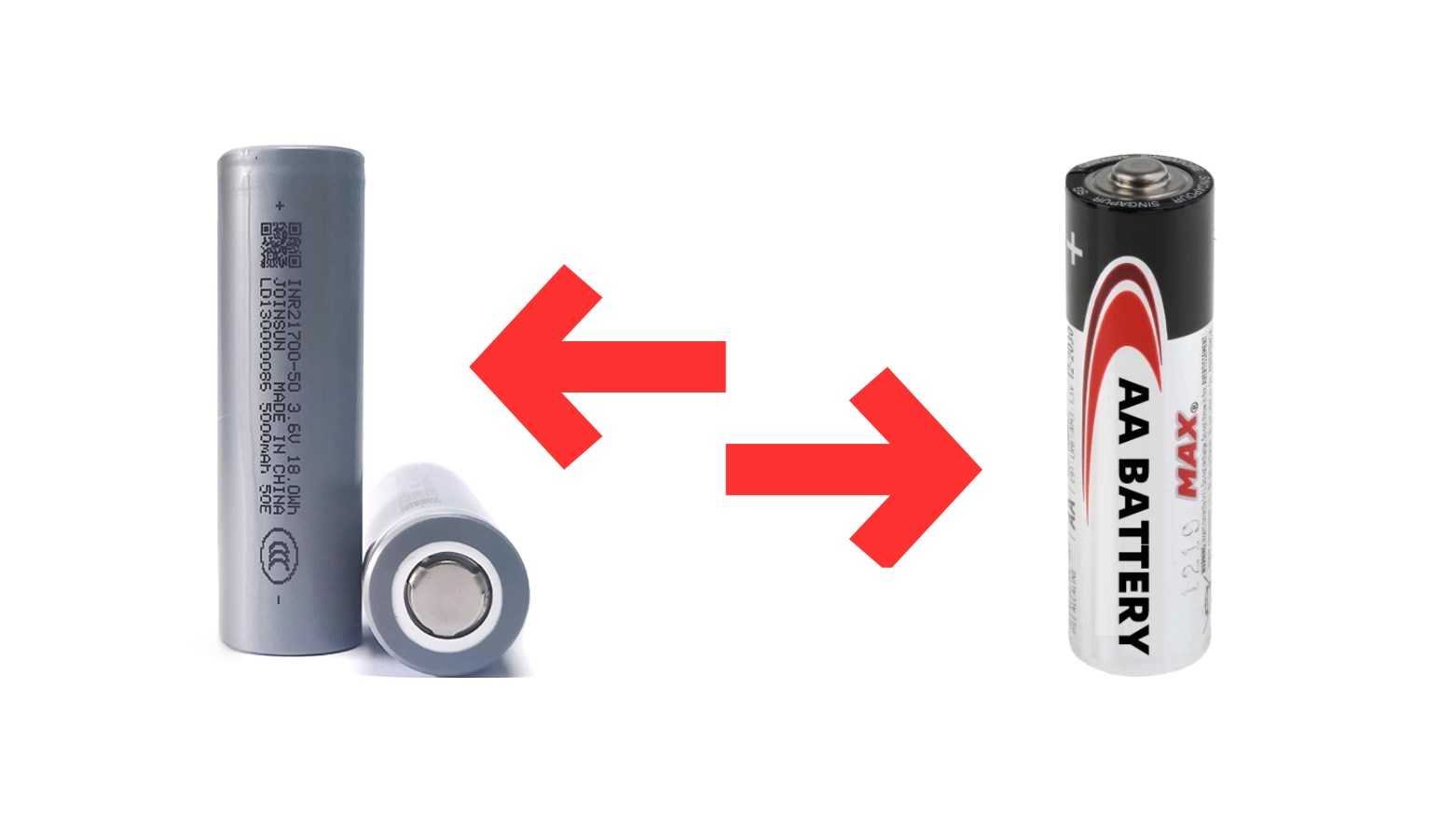
In the majority of devices that use disposable batteries, a lithium battery may be used in place of an alkaline battery. Compared to alkaline batteries, lithium batteries provide a number of benefits, including a longer shelf life, greater voltage, and improved performance in low-temperature settings.
Where we can find the best lithium battrey manufacturer?
Lithium battery manufacturer Redway Battery focuses in creating all different kinds of lithium batteries. You are welcome to stop by the product centre to see if there are any batteries available that will work for you. Alternately, you might email a query to the Redway Power technical team.
FAQs
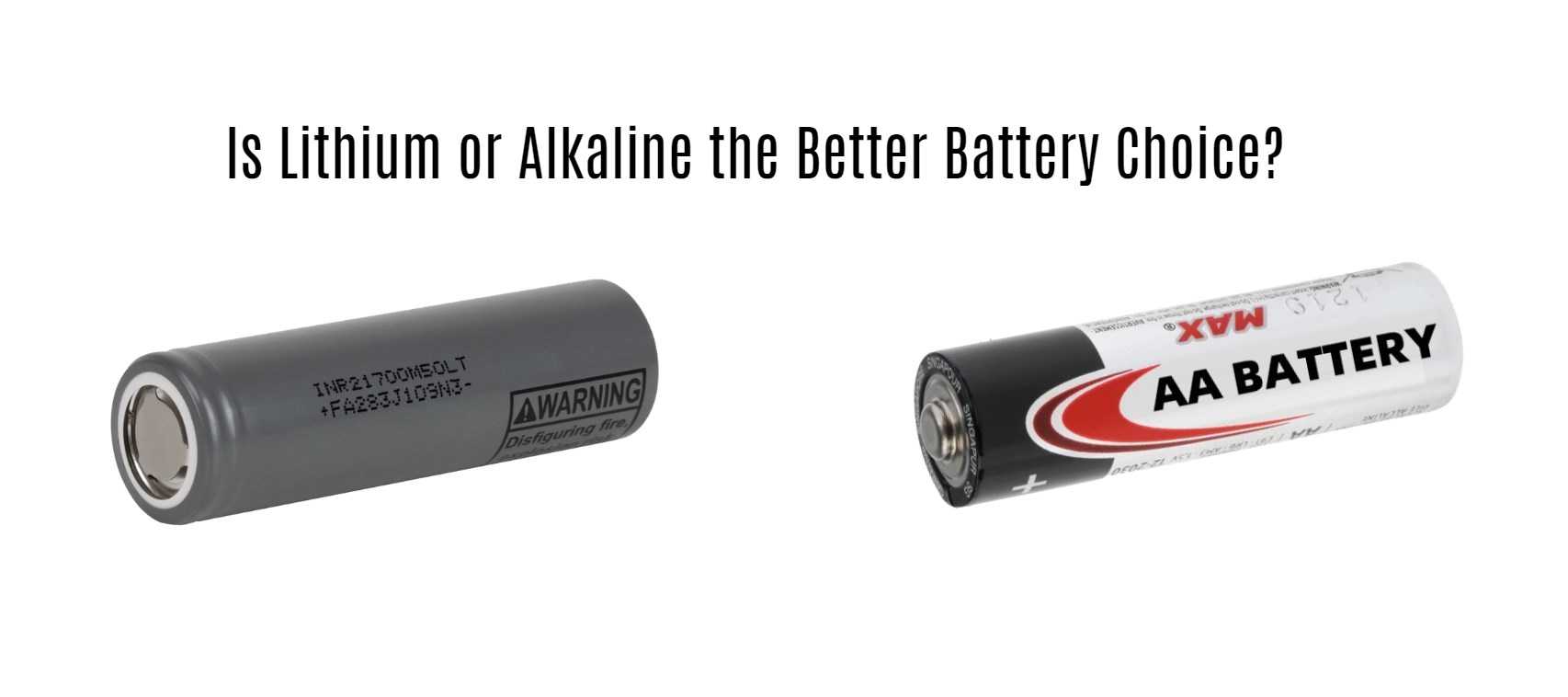
Is Lithium or Alkaline the Better Battery Choice?
When comparing lithium and alkaline batteries, it is important to consider various factors. Lithium batteries offer advantages such as longer lifespan, cost efficiency, lightweight design, and high energy holding capacity. However, alkaline batteries are readily available, compatible with low-energy devices, and cost-effective for certain applications. Factors like voltage, weight, and disposal methods further differentiate these battery types.
Lifespan and Cost Efficiency: Lithium batteries have a longer lifespan compared to alkaline batteries. They are cost-efficient in the long run due to their extended usage duration.
Lightweight and Energy Holding Capacity: Lithium batteries are lightweight and offer high energy holding capacity, making them suitable for portable devices and applications that require longer-lasting power.
Availability and Compatibility: Alkaline batteries are readily available and compatible with low-energy devices. They are cost-effective for applications that do not require high power output.
Voltage and Weight: Lithium batteries typically operate at higher voltages, making them suitable for high-functioning electronics. Alkaline batteries can be bulkier and may not be suitable for all types of equipment.
Disposal Methods: Alkaline batteries can be disposed of like regular trash, but caution is required due to the presence of potassium hydroxide. Lithium batteries require proper disposal in authorized facilities due to their environmental impact.
How Does Alkaline Battery Compare to Lithium in Performance and Cost?
Alkaline and lithium batteries differ significantly in terms of performance. Lithium batteries have a superior chemistry, delivering more power with a longer shelf life. They also weigh less and perform better in extreme temperatures. However, lithium batteries are generally more expensive upfront. Alkaline batteries are well-suited for low and moderate drain devices, while lithium batteries are best for high drain devices. Understanding these differences helps users choose the right battery for their specific needs.
Performance: Lithium batteries have a superior chemistry, delivering more power and having a longer shelf life compared to alkaline batteries. They also perform better in extreme temperatures and weigh less.
Cost: While alkaline batteries are generally more affordable upfront, lithium batteries offer a better return on investment in the long term due to their longer lifespan.
Device Suitability: Alkaline batteries are well-suited for low and moderate drain devices such as clocks, toys, and radios. On the other hand, lithium batteries are best for high drain devices like digital cameras and wireless video game controllers.
Temperature Tolerance: Lithium batteries perform well in extreme temperatures ranging from -40°F to 140°F, while alkaline batteries perform best between 30°F and 70°F.
Considerations: Factors such as power requirements, device usage, and budget should be considered when choosing between alkaline and lithium batteries.
What are Pros and Cons of Lithium vs. Alkaline Batteries?
Lithium batteries offer advantages such as high energy density, lightweight design, long shelf life, and superior performance in extreme temperatures. However, they are more expensive and require additional safety mechanisms. Alkaline batteries are affordable, widely available, and suitable for low to moderate drain devices. However, they have lower power density, shorter shelf life, and can leak if mishandled.
Lithium Batteries:
Pros: High energy density, lightweight design, long shelf life, superior performance in extreme temperatures.
Lithium batteries have a longer shelf life, higher number of recharge cycles, and often outperform alkaline batteries in terms of battery life on a single charge. They offer a higher energy density and a wider voltage range. Additionally, lithium batteries have a broader operating temperature range, making them more versatile. However, they have a higher carbon footprint and more complex recycling processes. Alkaline batteries are more affordable and have simpler recycling processes, but they have a shorter shelf life and lower number of recharge cycles.
Durability: Lithium batteries have a longer shelf life and a higher number of recharge cycles compared to alkaline batteries.
Shelf Life: Lithium batteries can be stored for up to 12 years or even 20 years, while alkaline batteries usually last for about 5 to 10 years.
Recharge Cycles: Lithium batteries can be recharged between 4,000 to 10,000 times, significantly surpassing the approximately 300 cycles of alkaline batteries.
Battery Life: Lithium batteries often outperform alkaline batteries in terms of battery life on a single charge, lasting up to three times longer.
Chemical Composition and Energy Output: The internal workings of lithium and alkaline batteries differ significantly. Lithium batteries offer a higher energy density and a wider voltage range.
Operating Temperatures: Lithium batteries have a broader operating temperature range, making them more versatile for diverse environmental conditions.
Environmental Impact: Lithium batteries have a higher carbon footprint and more complex recycling processes compared to alkaline batteries. Alkaline batteries are more affordable and have simpler recycling processes.
Lithium and alkaline batteries have different performance characteristics and applications. Lithium batteries outperform alkaline batteries and have a longer shelf life, but they come at a higher upfront cost. They are best suited for high-drain devices like wireless video game controllers, digital cameras, and GPS devices. Alkaline batteries are more affordable and are suitable for low and moderate drain devices such as toys, clocks, and remotes.
Lithium batteries outperform alkaline batteries and have a longer shelf life.
High-drain devices like wireless video game controllers, digital cameras, and GPS devices benefit from the superior performance of lithium batteries.
Alkaline batteries are more affordable and are suitable for low and moderate drain devices such as toys, clocks, and remotes.
Which Devices Benefit from Lithium Batteries?
Lithium batteries offer significant benefits for a range of devices. Headsets, headphones, cell phones, computer peripherals, digital cameras, e-readers, game controllers, laptops, smartwatches, fire alarm systems, and tablets all benefit from the durability and performance of lithium batteries. These batteries provide long-lasting power, fast charging, and reliable performance. It is important to dispose of lithium batteries properly to ensure environmental safety.
Headsets, headphones, cell phones, computer peripherals, digital cameras, e-readers, game controllers, laptops, smartwatches, fire alarm systems, and tablets all rely on the power of lithium batteries.
Lithium batteries provide long-lasting power, fast charging, and reliable performance, enhancing the functionality of these devices.
Proper disposal of lithium batteries is crucial for environmental safety and should be done in accordance with recycling guidelines.
Is Lithium or Alkaline the Better Battery Choice?
When comparing lithium and alkaline batteries, lithium batteries are generally considered the better choice. They have a longer lifespan, are cost-efficient, lightweight, and offer higher voltage and energy holding capacity. Additionally, lithium batteries perform well in cold temperatures. On the other hand, alkaline batteries are more affordable and compatible with low-energy consumer electronic devices. The choice between lithium and alkaline batteries depends on specific device requirements, budget, and environmental considerations.
Lithium batteries have a longer lifespan, are cost-efficient, and lightweight.
Lithium batteries offer higher voltage and energy holding capacity, making them suitable for high-performance devices.
Alkaline batteries are more affordable and compatible with low-energy consumer electronic devices.
Alkaline batteries perform better in cold temperatures.
The choice between lithium and alkaline batteries depends on specific device requirements, budget, and environmental considerations.
What Are the Pros and Cons of Lithium vs. Alkaline Batteries?
When comparing the pros and cons of lithium vs. alkaline batteries, lithium batteries are generally considered the better choice. They have a longer lifespan, are cost-efficient, lightweight, and offer higher voltage and energy holding capacity. They perform well in cold temperatures and have lower internal resistance. However, they are more expensive and require proper disposal. Alkaline batteries, on the other hand, are more affordable, widely available, and compatible with low-energy consumer electronic devices. They are recyclable and have a lower risk of leakage.
Lithium batteries have a longer lifespan, are cost-efficient, and lightweight.
Lithium batteries offer higher voltage and energy holding capacity, making them suitable for high-performance devices.
Lithium batteries perform well in cold temperatures and have lower internal resistance.
However, lithium batteries are more expensive and require proper disposal.
Alkaline batteries are more affordable, widely available, and compatible with low-energy consumer electronic devices.
Alkaline batteries have a shorter lifespan, lower voltage, and higher internal resistance.
Alkaline batteries are recyclable and have a lower risk of leakage.
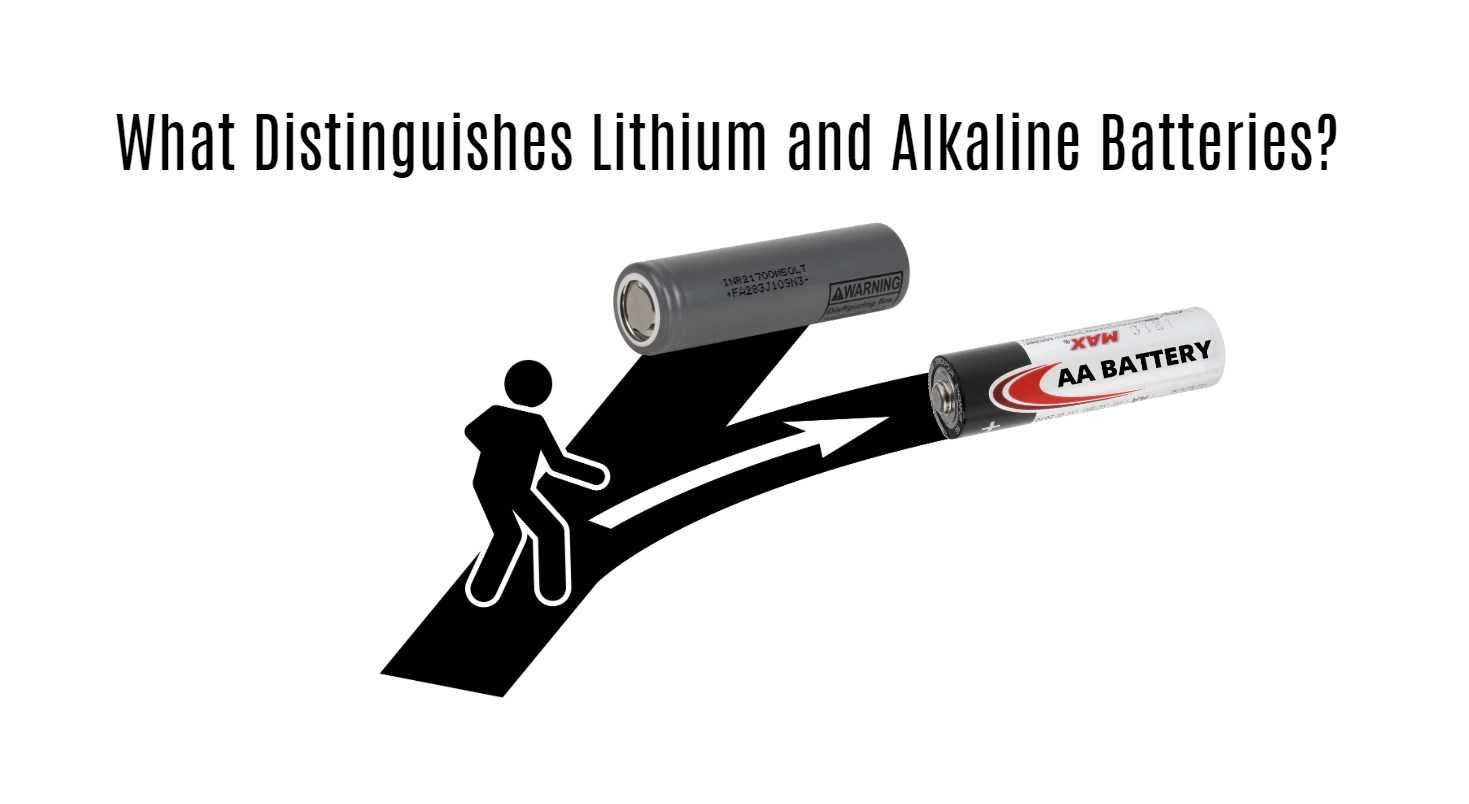
What Distinguishes Lithium and Alkaline Batteries?
When comparing lithium and alkaline batteries, several factors distinguish them. Lithium batteries have a longer shelf life, higher recharge cycles, longer battery life, wider operating temperatures, and a higher energy density. They are ideal for high-energy-demand devices. Alkaline batteries, on the other hand, are more affordable and have a simpler recycling process. They are better suited for low-drain devices. Consider these differences to choose the appropriate battery for your needs.
Lithium batteries have a longer shelf life, higher recharge cycles, longer battery life, wider operating temperatures, and a higher energy density.
They are ideal for high-energy-demand devices that require consistent performance.
Alkaline batteries are more affordable and have a simpler recycling process.
They are better suited for low-drain devices that require a steady but modest power supply.
Consider these differences to choose the appropriate battery for your specific needs.
More FAQs
Which batteries are better, alkaline or lithium? The answer depends on your specific needs. Lithium batteries typically offer higher energy density, longer shelf life, and better performance in extreme temperatures, making them ideal for high-drain devices and long-term storage. Alkaline batteries, on the other hand, are more cost-effective and widely available, suitable for everyday devices with moderate power demands.
What happens if I use alkaline batteries instead of lithium? If you use alkaline batteries instead of lithium in devices designed for lithium batteries, you may experience shorter runtime, reduced performance, and potentially even damage to the device. This is because alkaline batteries have lower energy density and may not provide sufficient power for high-drain applications.
What happens if you use alkaline batteries instead of lithium in a blink? If you use alkaline batteries instead of lithium in a device like a camera flash (commonly referred to as a “blink”), you may notice reduced performance, shorter flash duration, and quicker depletion of battery life. Alkaline batteries may struggle to deliver the high power output required for rapid flashes compared to lithium batteries.
Are lithium batteries really better? In many cases, yes. Lithium batteries generally offer higher energy density, longer shelf life, lighter weight, and better performance in extreme temperatures compared to other battery types like alkaline or nickel-metal hydride (NiMH). However, their higher cost may not always make them the best choice for every application.
What are alkaline batteries best suited for? Alkaline batteries are best suited for low to moderate power devices such as remote controls, clocks, toys, and other household electronics. They provide reliable and cost-effective power for everyday use and are widely available.
Why do lithium batteries last longer than alkaline? Lithium batteries typically last longer than alkaline batteries due to their higher energy density and superior performance characteristics. They can provide more power for a longer period, making them ideal for high-drain devices and applications requiring extended runtime.
What is a disadvantage of lithium batteries? One disadvantage of lithium batteries is their higher cost compared to other battery types like alkaline or nickel-metal hydride (NiMH). Additionally, while lithium batteries offer excellent performance in extreme temperatures, they can pose safety risks if mishandled or subjected to physical damage.
What is the biggest problem with lithium batteries? The biggest problem with lithium batteries is the risk of thermal runaway, which can lead to fires or explosions if the battery is damaged, overcharged, or exposed to high temperatures. Proper handling, storage, and charging procedures are essential to mitigate these risks.
What are the negatives of lithium batteries? Some negatives of lithium batteries include their higher cost, potential safety hazards if mishandled, and environmental concerns related to their disposal. Additionally, lithium batteries may not perform well in extremely cold temperatures compared to some other battery chemistries.
Which last longer, alkaline or lithium batteries? Generally, lithium batteries last longer than alkaline batteries in terms of both runtime and shelf life. They can provide more power for a longer period and have a longer shelf life, making them ideal for high-performance and long-term storage applications.
Is Duracell a lithium? Duracell produces various types of batteries, including alkaline, lithium, and rechargeable batteries. Some Duracell batteries are indeed lithium-based, offering high energy density and long-lasting performance for specific applications.
Are all AA batteries lithium? No, not all AA batteries are lithium-based. AA batteries come in various chemistries, including alkaline, lithium, nickel-metal hydride (NiMH), and rechargeable options. It’s essential to check the battery label or specifications to determine the battery type.
Are Energizer lithium batteries worth it? Energizer lithium batteries are often considered worth the investment for their long-lasting performance, high energy density, and reliability, especially in high-drain devices and extreme temperature conditions. However, their higher cost compared to alkaline batteries may not be justified for all applications.
Why are lithium AA batteries so expensive? Lithium AA batteries are more expensive than alkaline batteries due to several factors, including their higher energy density, longer shelf life, and superior performance characteristics. The cost of manufacturing lithium batteries, along with market demand and brand reputation, also contribute to their higher price.
Can I use regular AA batteries instead of lithium? Yes, you can use regular alkaline AA batteries instead of lithium batteries in most devices designed for AA batteries. However, keep in mind that alkaline batteries may have shorter runtime and shelf life compared to lithium batteries, especially in high-drain or extreme temperature applications.
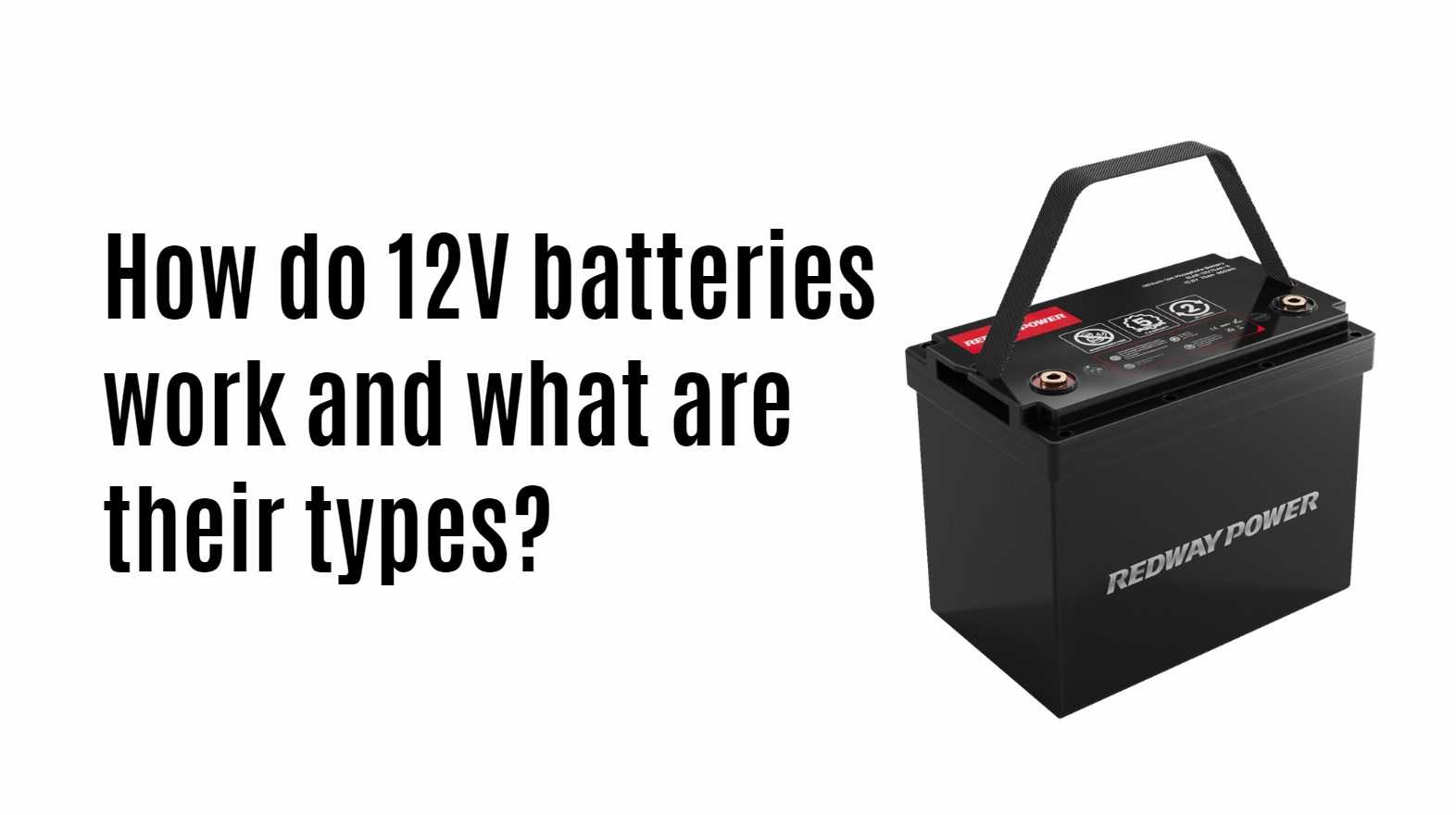
In the realm of modern technology, the 12V battery stands as a pivotal component, essential in powering a myriad of devices and vehicles. This comprehensive guide delves into the intricacies of 12V batteries, exploring their types, uses, and maintenance to ensure optimal performance and longevity.
What Is A 12V Battery And Where Is It Used?
A 12V battery is a rechargeable battery that provides 12 volts of electrical power. It’s commonly used in cars, motorcycles, boats, RVs, and backup power systems, supplying energy to start engines and power electrical components and accessories.
Key Components of a 12V Battery
Positive Plate: Composed of lead dioxide (PbO2)
Negative Plate: Made of sponge lead (Pb)
Electrolyte Solution: A mixture of sulfuric acid (H2SO4) and water (H2O)
Separator: A non-conductive material that prevents short-circuiting between the plates
A 12V battery is a rechargeable power source that delivers a stable 12 volts of electrical energy. It is one of the most common battery voltages used across various applications due to its reliability and versatility. This battery type is essential for starting engines and powering electrical systems in cars, motorcycles, boats, and RVs.
Beyond vehicle use, 12V batteries are widely employed in backup power systems, solar energy storage, portable electronics, and off-grid setups. They supply energy to run lights, accessories, and critical electronics, making them indispensable in both transportation and stationary power applications.
How Does A 12V Battery Function In Vehicles?
In vehicles, a 12V battery supplies power to start the engine and runs electrical systems like lights, radios, and sensors. It stores energy from the alternator and provides stable voltage to ensure reliable vehicle operation.
In vehicles, a 12V battery plays a crucial role by supplying the initial power needed to start the engine through the starter motor. Once the engine is running, the battery supports various electrical systems such as headlights, radio, sensors, and dashboard electronics.
The battery also stores energy generated by the alternator while the engine runs, ensuring a stable voltage supply to maintain consistent performance. By providing reliable power, the 12V battery helps keep essential vehicle functions operating smoothly, even when the engine is off or under heavy electrical load.
Types of 12V Batteries
There are several types of 12V batteries, each designed for specific applications and offering unique advantages.
1. Flooded Lead-Acid Batteries
Flooded lead-acid batteries are the most traditional type, commonly found in automotive applications. They feature removable caps for electrolyte maintenance and require regular topping up with distilled water.
VRLA batteries are sealed and maintenance-free, utilizing a pressure valve to control gas release. They are available in two main types: Gel and Absorbent Glass Mat (AGM).
Gel Batteries
Construction: Uses a gelified electrolyte
Applications: Suitable for deep-cycle applications like marine and RVs
AGM Batteries
Construction: Features a glass mat separator that absorbs the electrolyte
Applications: Ideal for high-drain applications like UPS systems and motorcycles
3. Lithium-Ion Batteries
Lithium-ion batteries are a newer technology, offering superior energy density and a longer lifespan compared to lead-acid variants.
Advantages
Lightweight and compact
Higher energy efficiency
Longer lifespan (typically 10 years or more)
Disadvantages
Higher initial cost
Sensitive to temperature extremes
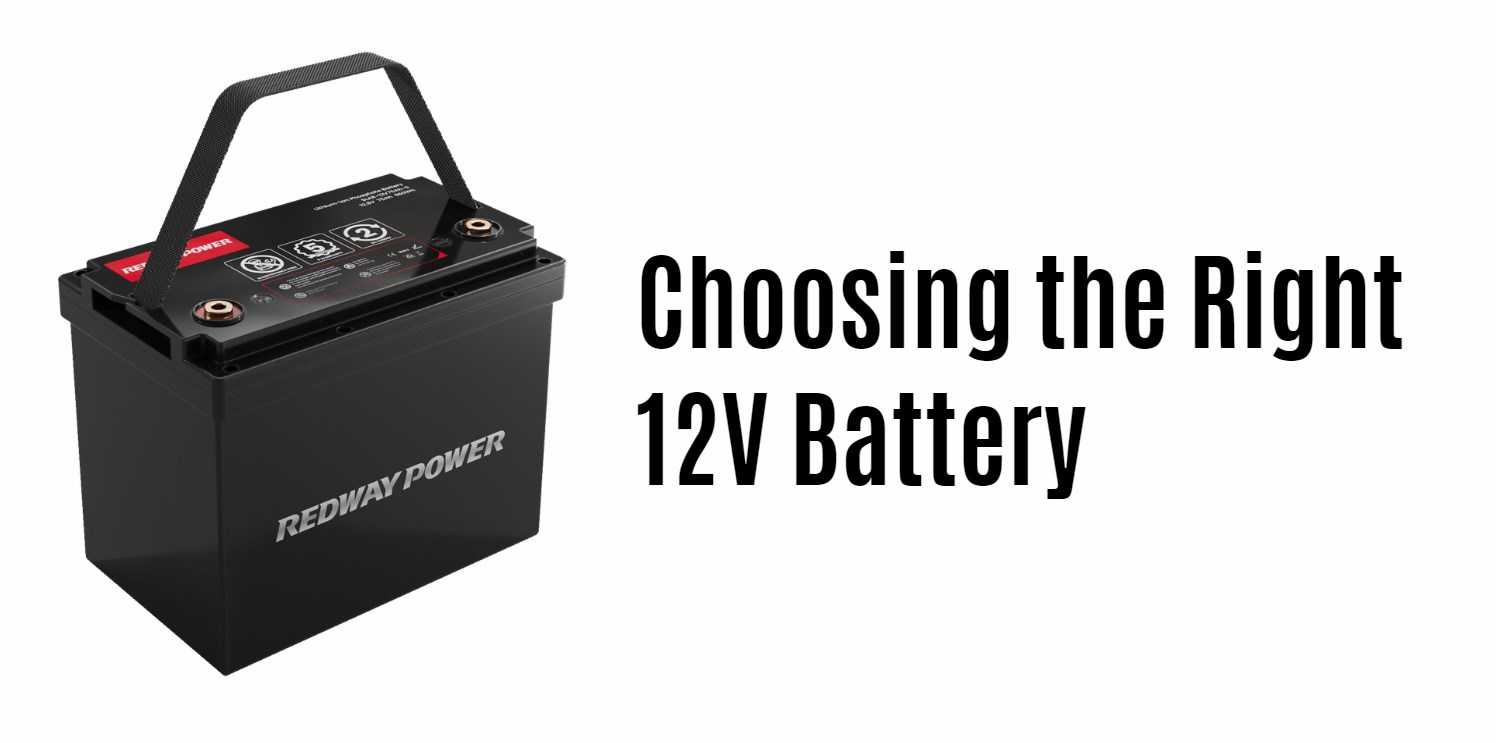
Choosing the Right 12V Battery
Selecting the appropriate 12V battery involves considering several factors:
1. Application Requirements
Determine the specific needs of your application, including the required voltage, current, and capacity.
2. Battery Capacity
Measured in ampere-hours (Ah), the capacity indicates how long the battery can supply a certain amount of current. Higher capacity batteries are suited for applications requiring longer run times.
3. Physical Size
Ensure the battery fits the designated space within your device or vehicle. Battery sizes can vary significantly even among 12V batteries.
4. Maintenance Needs
Decide whether you prefer a maintenance-free battery or one that requires periodic upkeep.
Uses of 12V Batteries
12V batteries are ubiquitous, powering a diverse range of devices and systems:
Automotive Applications
Starting Engines: Provides the initial surge of power needed to start internal combustion engines.
Powering Accessories: Supplies energy to car electronics, including lights, radios, and GPS systems.
Industrial Applications
Forklifts: Utilized in electric forklifts for material handling.
Backup Power: Used in uninterruptible power supply (UPS) systems to provide emergency power during outages.
Recreational Applications
Marine: Powers boat engines and onboard electronics.
RVs: Supplies electricity for lighting, appliances, and other onboard systems.
Maintenance and Lifespan
Proper maintenance is crucial for extending the lifespan of 12V batteries, particularly lead-acid types.
Charging
Use a compatible charger designed for the specific type of battery.
Avoid overcharging, which can lead to battery damage.
Regular Inspection
Check for corrosion on terminals and clean them as necessary.
Ensure the electrolyte levels are adequate in flooded lead-acid batteries.
Storage
Store batteries in a cool, dry place.
For long-term storage, maintain a partial charge to prevent degradation.
Lifespan Expectations
Lead-Acid Batteries: Typically last 2-5 years depending on usage and maintenance.
Lithium-Ion Batteries: Generally last 10 years or more with proper care.
Conclusion
12V batteries are indispensable in a wide array of applications, from automotive to industrial and recreational uses. By understanding the different types, choosing the right battery for your needs, and following proper maintenance practices, you can ensure reliable performance and longevity of your 12V batteries.
Nickel-Metal Hydride (NiMH) and Lithium Ion (Li-ion) AA batteries differ significantly in energy density, cycle life, self-discharge rate, and cost. Li-ion AA batteries generally offer higher voltage, longer run time, faster charging, and lighter weight, while NiMH batteries tend to be more affordable and environmentally friendly. Choosing the right battery depends on application needs and budget constraints.
How Do NiMH and Lithium Ion AA Batteries Differ in Voltage and Energy Density?
Lithium Ion AA batteries typically provide a higher nominal voltage around 1.5–1.6V compared to NiMH’s stable 1.2V. Li-ion cells have significantly higher energy density, usually ranging between 150–300 Wh/kg, compared to NiMH’s 60–120 Wh/kg. This means Li-ion batteries store more energy in the same size, delivering longer device runtimes and better performance in power-hungry applications.
NiMH batteries operate at a consistent voltage but with lower energy capacity, making them ideal for devices with moderate power needs and longer standby use, whereas Li-ion AA excels in high-drain electronics.
What Are the Differences in Cycle Life and Charging Characteristics?
Lithium Ion AA batteries typically offer a longer cycle life, often exceeding 1000 full charge-discharge cycles, while NiMH batteries generally sustain around 500–800 cycles before noticeable capacity loss. Li-ion batteries also support faster charging speeds and suffer less from charging inefficiencies.
NiMH batteries are prone to the “memory effect” if improperly charged, affecting capacity, while Li-ion batteries do not exhibit this phenomenon, improving convenience and battery longevity.
Feature
NiMH AA Battery
Lithium Ion AA Battery
Nominal Voltage
1.2V
1.5–1.6V
Energy Density
60-120 Wh/kg
150-300 Wh/kg
Cycle Life
500–800 cycles
>1000 cycles
Charging Speed
Moderate, sensitive to overcharge
Faster, requires BMS protection
Memory Effect
Possible
None
Why Is the Self-Discharge Rate Important and How Do These Batteries Compare?
Self-discharge rate affects how quickly a battery loses charge when unused. NiMH batteries typically lose 20-30% of their charge per month, making them less suitable for infrequent use without regular recharging. Lithium Ion batteries have a much lower self-discharge rate, around 1-3% per month, retaining charge better during storage and offering more reliability for intermittent use.
Lower self-discharge in Li-ion appeals to users needing batteries to maintain charge over long periods, such as emergency devices or seasonal electronics.
Which Battery Is Safer and More Environmentally Friendly?
NiMH batteries are generally considered safer due to their stable chemistry and lower risk of thermal runaway compared to Li-ion batteries, which require protective circuitry to prevent overheating or fires. Environmentally, NiMH batteries contain fewer toxic metals and are easier to recycle, leading to a smaller environmental footprint.
However, advancements in lithium iron phosphate (LiFePO4) chemistry, supported by manufacturers like Redway Battery, have improved Li-ion battery safety and reduced ecological impacts significantly.
How Do Cost and Availability Affect the Choice Between NiMH and Li-ion?
NiMH AA batteries remain more affordable and widely available due to mature technology and simpler manufacturing processes. Li-ion AA batteries, while more expensive initially, often provide better long-term value through longer lifespan and higher capacity. Consumers should weigh upfront cost against total cost of ownership, especially for high-usage or professional applications.
Redway Battery offers customized Li-ion battery packs optimized for reliability and cost-efficiency, balancing premium performance with competitive pricing.
When Should You Choose NiMH Over Lithium Ion AA Batteries?
Choose NiMH batteries when buying for low-to-moderate power gadgets that require inexpensive, safe, and readily recyclable power sources. They perform well in everyday household devices like remote controls, flashlights, and cordless phones where weight and runtime constraints are moderate.
NiMH is also preferable for users sensitive to upfront cost or seeking batteries with established recycling infrastructure.
Where Are Lithium Ion AA Batteries Typically Used?
Lithium Ion AA batteries are favored for high-drain devices that demand longer runtimes and lighter weight, such as digital cameras, portable gaming devices, and advanced flashlights. Their ability to maintain voltage under load and recharge quickly makes them ideal for professional and recreational electronics.
Additionally, applications requiring batteries with minimal self-discharge and long shelf-life prefer Li-ion technology.
Does Charging Infrastructure Impact Battery Choice?
NiMH batteries can be charged on many standard smart chargers but require proper care to avoid overcharging and damage. Lithium Ion batteries require chargers with integrated battery management systems (BMS) that regulate voltage and current for safety and longevity.
Availability of compatible chargers, such as those recommended by Redway Battery, plays a key role in ensuring safe and efficient use of lithium AA batteries.
Has Battery Technology Blended Features Between NiMH and Li-ion?
Recent innovations have seen improvements in NiMH chemistry reducing self-discharge (low self-discharge NiMH) and enhanced lithium chemistries including solid-state and LiFePO4 variants that prioritize safety and cycle life. Hybrid approaches aim to combine affordability, capacity, and safety for a broader range of consumer needs.
Redway Battery contributes by developing advanced LiFePO4 packs that provide safer, longer-lasting alternatives aligned with evolving market demands.
Are There Compatibility Issues When Switching Between NiMH and Li-ion AA Batteries?
Yes, some devices are sensitive to battery voltage and chemistry. NiMH’s consistent 1.2V output contrasts with Li-ion’s higher voltage, which might affect device operation or damage sensitive electronics. Always check device specifications, and when in doubt, consult manufacturers or use batteries recommended for that device.
Redway Battery provides expertise in battery chemistry compatibility to help users transition or upgrade battery packs safely.
Could Environmental Regulations Influence NiMH and Lithium Ion Battery Usage?
Increasing environmental regulations and demand for sustainability shape battery manufacturing and disposal. NiMH batteries benefit from well-established recycling processes, reducing landfill hazards. Lithium Ion battery recycling is growing but remains more complex and costly.
Producers like Redway Battery are investing in greener materials and improved lifecycle management to meet regulatory expectations and reduce ecological impact.
Redway Expert Views
“At Redway Battery, we recognize the need for batteries that combine high performance with safety and environmental responsibility. Our LiFePO4 lithium-ion battery packs provide superior cycle life, higher energy density, and enhanced safety for challenging applications including golf carts and industrial equipment. By leveraging advanced chemistry and manufacturing precision, Redway Battery supports users demanding reliable, long-lasting, and eco-friendly power solutions, setting new standards in battery technology.”
How Can Users Maximize Battery Life and Performance?
To maximize battery life, users should employ the correct charger type, avoid deep discharges, store batteries at moderate temperatures, and recharge before critical low levels. Selecting the appropriate chemistry for device needs improves reliability and runtime. Use genuine batteries from trusted brands like Redway Battery that include safety features and consistent quality control.
Conclusion
Choosing between Nickel-Metal Hydride and Lithium Ion AA batteries depends on various factors: energy density, voltage, cycle life, self-discharge rate, cost, and application needs. Li-ion AA batteries excel in energy capacity, charging speed, and low self-discharge, making them ideal for high-drain and long-term use. NiMH batteries offer affordability, safety, and environmental benefits for moderate applications.
Careful consideration of device compatibility, usage patterns, and budget will guide the optimal battery choice. Leveraging advanced LiFePO4 technology from industry leaders like Redway Battery ensures safe, durable, and cost-effective power solutions, meeting both consumer and professional standards.
Frequently Asked Questions
Can NiMH batteries damage devices designed for Li-ion?
Normally no, but NiMH’s lower voltage may reduce performance in some electronics.
Do Li-ion AA batteries suffer from memory effect?
No, Li-ion batteries do not have memory effect issues common in older chemistries.
Are NiMH batteries better for the environment?
Generally yes, as they are easier to recycle and contain fewer toxic materials.
How many charge cycles do Li-ion AA batteries have?
Typically over 1000 cycles, roughly double the lifespan of NiMH batteries.
Can I use a standard AA charger for both NiMH and Li-ion?
No, Li-ion requires specific chargers with battery management systems for safety.
Battery terminals are pivotal components in any automotive or electronic system, ensuring the seamless flow of electricity. Understanding how to define, identify, and replace these terminals is crucial for maintaining optimal performance and avoiding potential issues. This guide will delve into every aspect of battery terminals, providing you with the knowledge needed to maintain and replace them effectively.
Understanding Battery Terminals
Battery terminals are the connection points between the battery and the electrical system of a vehicle or device. Typically, these terminals come in two forms:
Positive Terminal (+): Often marked with a red cap or a plus sign, the positive terminal is the point where electrical current exits the battery.
Negative Terminal (-): Marked with a black or green cap or a minus sign, the negative terminal is the point where electrical current returns to the battery.
Maintaining clean and corrosion-free terminals is essential to ensure efficient power flow. Corrosion, characterized by a white or bluish powdery substance, can hinder the conductivity, leading to starting problems or premature battery discharge.
Identifying Battery Terminals
Identifying battery terminals is straightforward:
Positive Terminal: Larger bolt head, marked with a plus sign (+), “POS”, or red paint.
Negative Terminal: Smaller bolt head, marked with a minus sign (-), “NEG”, or black/green paint.
Accurately identifying these terminals is critical when performing maintenance or replacements to avoid potential electrical hazards.
Step-by-Step Guide to Replacing Battery Terminals
Replacing battery terminals is a manageable task with the right tools and knowledge. Follow these steps for a successful replacement:
Tools Needed
Wrench or pliers
Wire brush or terminal cleaner
Replacement terminals
Protective gloves and eyewear
Procedure
Safety First: Wear protective gloves and eyewear to prevent injury from battery acid or corrosion.
Disconnect the Battery:
Start by disconnecting the negative terminal to avoid any short circuits.
Then, disconnect the positive terminal.
Remove Old Terminals:
Use a wrench to loosen the bolts on the old terminals.
Carefully remove the terminals from the battery posts.
Clean Battery Posts:
Use a wire brush or terminal cleaner to remove any corrosion from the battery posts.
Install New Terminals:
Attach the new positive terminal to the corresponding post.
Tighten the bolt securely.
Repeat the process for the negative terminal.
Reconnect the Battery:
Connect the positive terminal first.
Then, connect the negative terminal.
Check Connections: Ensure both terminals are tightly secured and free from any movement.
Importance of Replacing Battery Terminals
Replacing corroded or damaged battery terminals is crucial for several reasons:
Enhanced Electrical Connectivity: Corrosion and damage can impede the flow of electricity, leading to starting issues and other electrical problems.
Preventing Voltage Drops: Clean terminals ensure a consistent voltage supply, preventing potential electrical failures.
The frequency of replacing battery terminals depends on several factors:
Battery Age: For batteries older than three years, regular inspections and potential replacements are advisable.
Corrosion: Replace terminals at the first sign of significant corrosion to maintain optimal performance.
Environmental Conditions: In high-humidity areas, consider annual inspections and replacements to prevent accelerated corrosion.
Conclusion
Replacing battery terminals is a straightforward yet vital maintenance task that ensures the reliable operation of your vehicle or device. By following the steps outlined in this guide and adhering to the recommended replacement frequency, you can prevent electrical issues and prolong the life of your battery. Regular inspections and timely replacements will keep your electrical system running smoothly and efficiently.
Lithium batteries are integral to our daily lives, powering everything from smartphones and laptops to electric vehicles and renewable energy storage systems. Despite their widespread use and numerous advantages, they are known for occasional charging issues that can be both frustrating and inconvenient. In this comprehensive guide, we delve into the reasons why lithium batteries may not charge properly and offer detailed solutions to address these issues.
Understanding Lithium Batteries
What are Lithium Batteries?
Lithium batteries, often referred to as Li-ion batteries, are rechargeable batteries that use lithium ions as the primary component of their electrochemistry. Their popularity stems from several key advantages:
High Energy Density: They can store more energy per unit of volume compared to other battery types.
Low Self-Discharge: They retain their charge longer when not in use.
High Voltage Output: They produce more power, making them suitable for high-drain applications.
Lightweight: Their lighter weight makes them ideal for portable devices.
Environmentally Friendly: They do not contain toxic materials such as cadmium or lead.
The Chemistry Behind Lithium Batteries
Lithium batteries operate on the movement of lithium ions between the anode and cathode through an electrolyte. When charging, lithium ions move from the cathode to the anode, and during discharge, they move back to the cathode. This reversible process allows the battery to be recharged and used repeatedly.
Common Causes of Charging Issues in Lithium Batteries
Aging and Wear
As lithium batteries age, their capacity and efficiency decrease due to chemical reactions within the battery that degrade its components. An old or worn-out battery might not charge effectively or hold a charge.
Dirty or Corroded Terminals
Accumulation of dirt or corrosion on battery terminals can obstruct the flow of electricity. This buildup can be cleaned using a mixture of baking soda and water, followed by scrubbing with a toothbrush.
Damaged Chargers
A faulty or damaged charger can fail to deliver the necessary current and voltage to charge the battery. Testing the charger with a multimeter or using a different charger can help identify this issue.
Faulty Charging Ports
Problems with the device’s charging port, such as loose connections or internal damage, can prevent proper charging. Inspecting and, if necessary, repairing or replacing the port can resolve this.
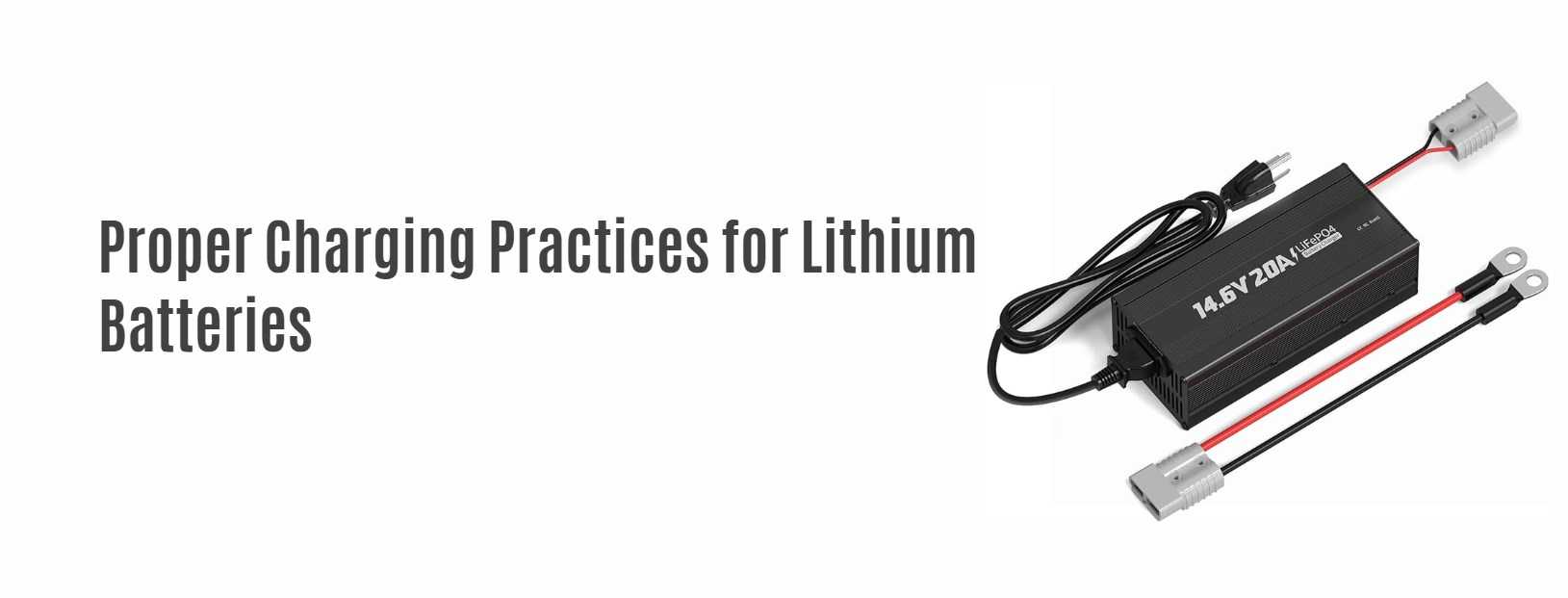
Proper Charging Practices for Lithium Batteries
Step-by-Step Charging Guide
Check the Battery Voltage: Before charging, ensure the battery voltage is between 3.6 and 3.8 volts. If it is below this range, the battery might be too discharged to charge and could need replacement.
Connect the Charger: Use a compatible charger and connect it to the device.
Set the Correct Voltage: Ensure the charger is set to 4.2 volts, the standard charging voltage for lithium batteries.
Monitor the Charging Process: Allow the battery to charge until it reaches 4.2 volts. This process can take several hours depending on the battery’s capacity.
Balance the Charge: After reaching full charge, let the battery discharge slightly to around 3.6 volts before recharging. This helps maintain battery balance and longevity.
Tips for Prolonging Lithium Battery Life
Avoid Excessive Heat: Keep the battery temperature below 85°F (29°C) to prevent thermal degradation.
Avoid Deep Discharge: Do not let the battery discharge below 20% to prevent stress on the cells.
Use Slow Chargers: Slow charging reduces stress on the battery, extending its lifespan.
Store Properly: Store batteries in a cool, dry place to prevent capacity loss due to environmental conditions.
Advanced Solutions for Persistent Issues
Battery Management Systems (BMS)
Modern lithium batteries come equipped with Battery Management Systems (BMS) that monitor and manage charging and discharging. Ensuring your battery has a functional BMS can prevent many common issues.
Software Updates
For devices with integrated lithium batteries, software updates can optimize battery performance and address charging issues caused by software glitches.
Regular Maintenance
Regular maintenance, including cleaning terminals and ensuring proper connections, can prevent many charging problems. Regularly check for firmware updates for devices that manage battery charging.
Why My LifoPO4 Battery No Charge?
Conclusion
Lithium batteries are essential to modern technology, but they require proper care and maintenance to function optimally. By understanding the common causes of charging issues and following best practices for charging and maintenance, you can extend the life of your lithium batteries and ensure they deliver reliable performance.
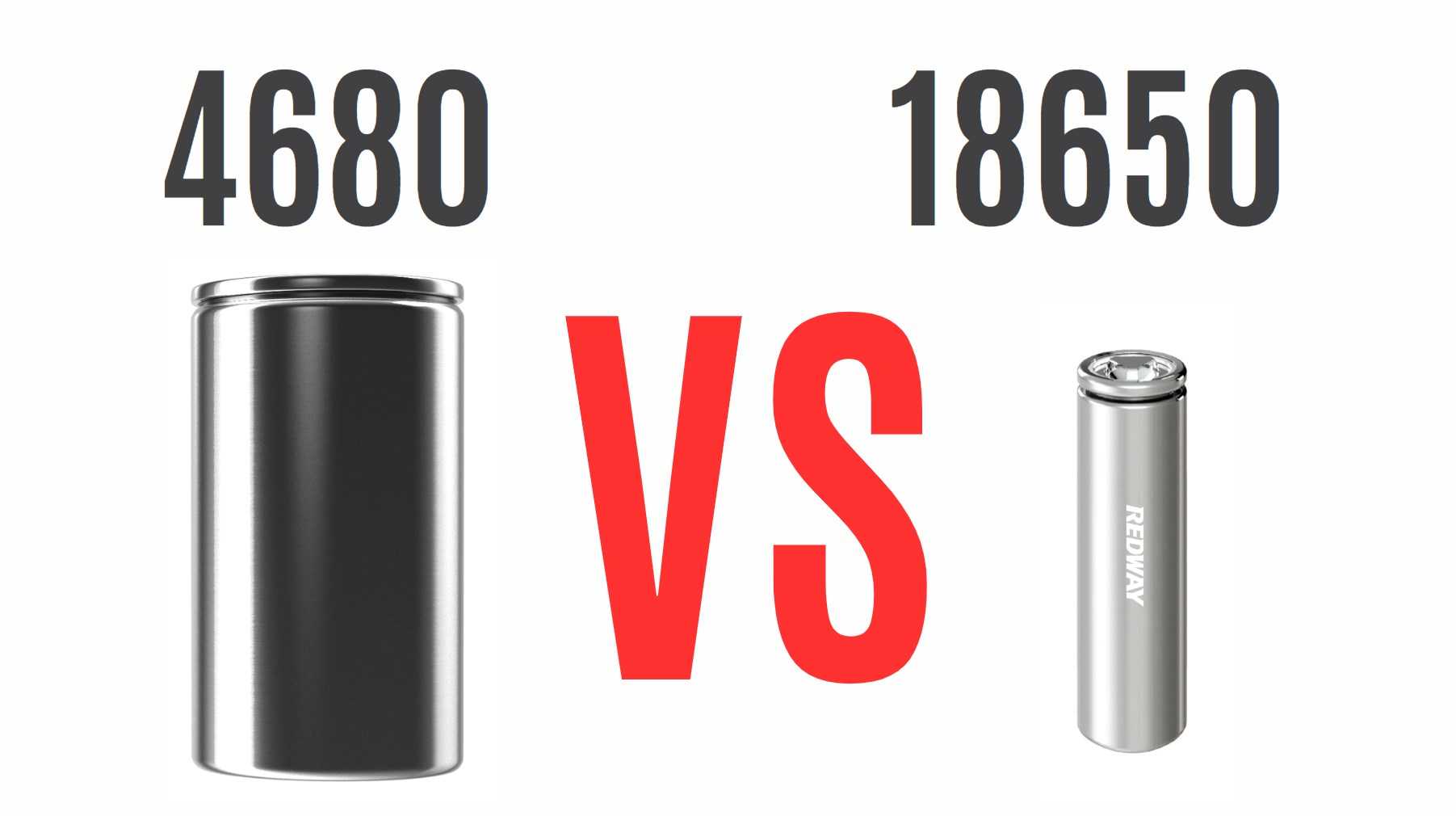
Welcome to our comprehensive guide on the 4680 and 18650 batteries. In this article, we delve into the technical specifications, performance metrics, cost implications, and applications of these two battery types. Our aim is to provide you with the information necessary to make an informed decision about which battery best suits your needs.
Understanding Battery Basics
What is a Battery?
A battery is an energy storage device that converts chemical energy into electrical energy through electrochemical reactions. It comprises one or more electrochemical cells, each containing a positive electrode (cathode), a negative electrode (anode), and an electrolyte that facilitates ion flow between the electrodes.
Comparing 4680 and 18650 Batteries
Technical Specifications
4680 Battery
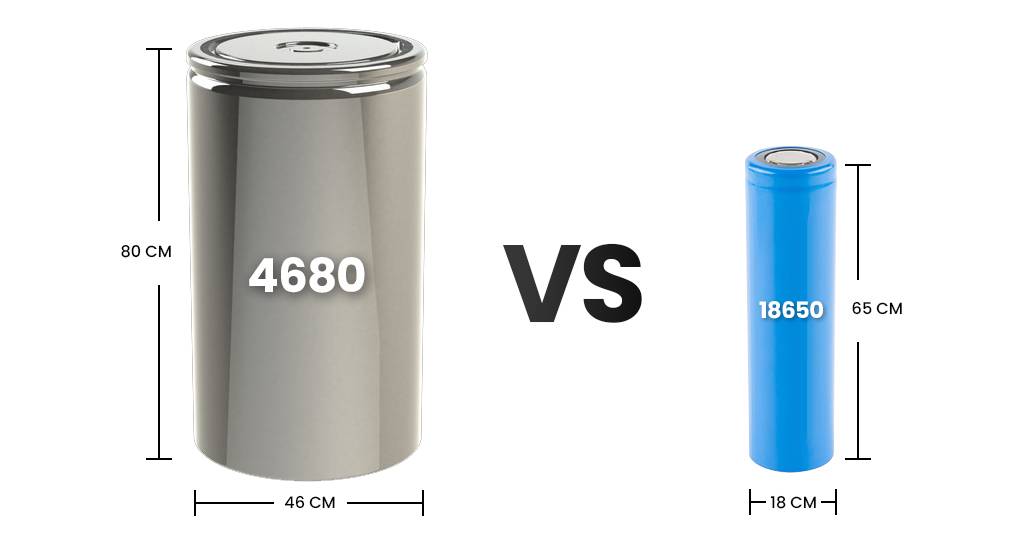
Dimensions: 46mm diameter, 80mm height
Capacity: Approximately 5000mAh
Voltage: 3.7V nominal
Energy Density: High
Cycle Life: 1000+ cycles
Cost: Higher initial cost
18650 Battery
Dimensions: 18mm diameter, 65mm height
Capacity: 2600-3600mAh
Voltage: 3.6-3.7V nominal
Energy Density: Moderate
Cycle Life: 500-1000 cycles
Cost: Lower initial cost
Performance Metrics
Energy Capacity
The 4680 battery boasts a higher energy capacity due to its larger size and improved design, making it suitable for high-drain applications like electric vehicles (EVs) and energy storage systems. The 18650 battery, while smaller and with lower capacity, remains widely used in consumer electronics and portable devices.
Power Output
With its higher voltage and larger capacity, the 4680 battery can deliver more power over a longer period. This makes it ideal for applications requiring sustained high power output. The 18650 battery, though less powerful, is sufficient for many standard devices like laptops and power tools.
Cost-Effectiveness
While the 4680 battery offers superior performance, it comes at a higher cost. The 18650 battery, being more established and produced in larger quantities, is generally more affordable and readily available.
Applications
4680 Battery
Electric Vehicles: High capacity and energy density make it ideal for long-range EVs.
Energy Storage Systems: Suitable for home and industrial energy storage due to its long cycle life.
High-Drain Devices: Excellent for applications requiring sustained power, such as drones and high-performance power tools.
18650 Battery
Consumer Electronics: Common in laptops, cameras, and flashlights.
Portable Power Banks: Often used in portable chargers due to their compact size.
Moderate-Drain Devices: Suitable for devices with lower power demands.
Choosing the Right Battery for Your Needs
Factors to Consider
Application Requirements: Determine the power and capacity needs of your device.
Size Constraints: Ensure the battery fits within the physical dimensions of your application.
Budget: Consider the cost implications, including initial purchase and long-term usage.
Availability: Ensure the chosen battery type is readily available in your region.
Decision Matrix
Criteria
4680 Battery
18650 Battery
Capacity
High (5000mAh)
Moderate (2600-3600mAh)
Voltage
3.7V
3.6-3.7V
Energy Density
High
Moderate
Cycle Life
1000+ cycles
500-1000 cycles
Cost
Higher
Lower
Applications
EVs, energy storage, high-drain
Consumer electronics, portable power
Conclusion
In summary, the choice between the 4680 and 18650 battery depends on your specific application needs. The 4680 battery, with its higher capacity and energy density, is best suited for high-demand applications such as electric vehicles and energy storage systems. On the other hand, the 18650 battery remains a versatile and cost-effective option for consumer electronics and portable devices. Carefully consider your power requirements, budget, and the availability of the batteries before making a decision.
Are you tired of constantly charging your phone or laptop? Do you want to know more about Ternary lithium batteries and how they can improve your device’s lifespan and performance? Look no further! In this blog post, we’ll dive into the world of Ternary lithium batteries and explore their charging time and cycle life. From understanding the science behind battery chemistry to practical tips on prolonging battery life, we’ve got you covered. So sit back, relax, and let’s learn together!
What is Ternary (NCM) lithium battery?
Ternary lithium batteries, or ternary lithium-ion batteries, represent a rechargeable battery type employing a cathode material composed of three distinct transition metal elements, denoted by the term “ternary.
Composition and Crucial Role of the Cathode:
Cathode Significance:
The cathode, functioning as the positive electrode in lithium-ion batteries, plays a pivotal role in determining overall battery performance.
Ternary cathodes typically incorporate three metals: nickel (Ni), manganese (Mn), and cobalt (Co), blended in varying ratios to create a ternary compound.
Exploring Ternary (NCM) Lithium Batteries: Pros, Cons, and Tips:
Improved Energy Density:
Ternary lithium batteries are distinguished by enhanced energy density, resulting in increased capacity and prolonged battery life.
Widely applied in devices like electric vehicles, portable electronics, and energy storage systems, these batteries offer high energy density and reliable performance.
Understanding the composition and advantages of ternary lithium batteries is essential for their effective utilization across diverse technological applications.
What is a lithium battery?
Lithium batteries, renowned for their lightweight design and high energy density, play a crucial role in powering various electronic devices. Let’s explore their key advantages and considerations.
Lightweight and Portable:
Lithium batteries stand out for their lightweight nature, making them the preferred choice for portable electronic devices.
Ideal for applications like cell phones and laptops due to their weight efficiency.
High Energy Density:
The superior energy density of lithium batteries allows them to store more energy per unit weight.
This characteristic enhances their capacity to power electronic devices effectively.
Efficient Power Source:
Lithium batteries boast a higher voltage compared to other battery types, contributing to increased efficiency in powering electronic devices.
Widely utilized in electric vehicles for their effectiveness in delivering power.
Despite these advantages, it’s essential to note that lithium batteries come with a higher cost and require careful handling to mitigate potential safety risks.
What is the difference between a lithium battery and other types of batteries?
Unlike many traditional batteries with liquid electrolytes, lithium batteries offer a safer and more reliable energy storage solution. Let’s explore the key advantages that set them apart.
Solid Electrolyte for Safety:
Lithium batteries utilize a solid electrolyte, enhancing safety by eliminating the risk of leakage, corrosion, or swelling.
This feature ensures a secure and stable operation, reducing potential hazards associated with liquid electrolytes.
No “Memory Effect”:
Unlike some battery types, lithium batteries do not suffer from the “memory effect.”
Users can charge and discharge lithium batteries more times without experiencing a loss in capacity, providing long-lasting and reliable performance.
In summary, the solid electrolyte and absence of memory effect make lithium batteries a dependable and user-friendly choice for various applications.
How long does it take to charge a lithium battery?
Charging a lithium battery involves a time commitment influenced by its capacity and the charger specifications. Additionally, the cycle life, or the number of charge-discharge cycles a battery can endure, varies based on usage and care.
Charging Time:
A standard lithium battery typically takes around 3 hours to charge, with variations based on the battery’s capacity and the charger’s output.
As an example, a 2500 mAh battery can be charged in approximately 30 minutes using a 5A charger.
Cycle Life:
The cycle life of a lithium battery is commonly around 1000 cycles, though this number depends on factors like battery type, usage patterns, and maintenance.
Regular charging and discharging reduce the cycle life, emphasizing the importance of proper care for prolonged battery performance.
In summary, understanding the charging time and cycle life variations enhances the effective use of lithium batteries in diverse applications.
How many times can you charge and discharge a lithium battery?
The Ternary lithium battery can be charged and discharged many times before it needs to be replaced. The number of times it can be charged and discharged will depend on the type of battery, how it is used, and how well it is maintained.
What are the benefits of using a lithium battery?
Lithium batteries have many benefits over other types of batteries. They are lighter weight, have a higher energy density, and can be charged faster. They also have a longer cycle life, meaning they can be used more times before needing to be replaced. Lithium batteries are also more environmentally friendly than other types of batteries.
Are there any disadvantages to using a lithium battery?
Lithium batteries have a few disadvantages when compared to other types of batteries. For one, they can be more expensive. Additionally, they require careful handling as they are more delicate and can be damaged easily if not treated properly. They also have a shorter lifespan than some other types of batteries and need to be replaced more often. Finally, lithium batteries can pose a fire hazard if not used correctly.
Welcome to our extensive guide on understanding the key differences between 18650 batteries and AA batteries. In this article, we delve into the specifications, uses, advantages, and care tips for both types of batteries to help you make an informed decision on which is best suited for your needs.
Understanding 18650 Batteries
What is an 18650 Battery?
An 18650 battery is a type of lithium-ion rechargeable battery that is widely used in high-drain devices. These batteries are named for their dimensions: 18mm in diameter and 65mm in length. Known for their high energy density, long cycle life, and robust performance, 18650 batteries are commonly found in devices such as laptops, power tools, flashlights, and electronic cigarettes.
Key Features of 18650 Batteries
High Capacity: Typically ranging from 1800mAh to 3500mAh, allowing extended use without frequent recharging.
High Discharge Rate: Suitable for devices that require a substantial amount of power.
Rechargeable: Capable of being recharged hundreds of times, making them cost-effective in the long run.
Stable Voltage: Provides a consistent voltage of around 3.7V, ensuring steady performance.
Understanding AA Batteries
What is an AA Battery?
AA batteries are a standard size of single-cell cylindrical batteries. They are available in several chemistries, including alkaline, nickel-cadmium (NiCd), nickel-metal hydride (NiMH), and lithium-ion (Li-ion). AA batteries are versatile and can be found in a myriad of household and portable electronic devices like remote controls, clocks, and toys.
Key Features of AA Batteries
Wide Availability: Easily available in most retail stores and online.
Variety of Chemistries: Offers flexibility depending on the device’s power requirements.
Standard Size: Commonly used and interchangeable among devices that specify AA batteries.
Cost-Effective: Generally cheaper than 18650 batteries, especially in bulk.
Comparing 18650 Batteries and AA Batteries
Size and Dimensions
Feature
18650 Battery
AA Battery
Diameter
18mm
14.5mm
Length
65mm
50.5mm
Weight
45g to 50g
23g (alkaline)
Performance and Capacity
Feature
18650 Battery
AA Battery
Capacity
1800mAh to 3500mAh
600mAh to 2800mAh
Voltage
3.7V
1.5V (alkaline), 1.2V (NiMH)
Rechargeability
Yes
Depends on chemistry (NiMH is rechargeable)
Cycle Life
Up to 500+ cycles
Varies (NiMH up to 500 cycles)
Usage and Application
Feature
18650 Battery
AA Battery
Common Uses
Laptops, flashlights, power tools, e-cigarettes
Remote controls, toys, clocks, cameras
Energy Density
High
Moderate to low
Cost
Higher initial cost
Lower initial cost
Choosing the Right Battery
When deciding between 18650 batteries and AA batteries, consider the following factors:
Device Requirement: Check the device’s specifications to determine the compatible battery type.
Usage Frequency: For high-drain devices used frequently, 18650 batteries may be more suitable due to their higher capacity and rechargeability.
Cost Efficiency: While 18650 batteries have a higher initial cost, their rechargeability can make them more cost-effective over time. AA batteries, on the other hand, are less expensive upfront and widely available.
Convenience: AA batteries are more accessible and can be purchased almost anywhere, making them convenient for low-drain, everyday devices.
Caring for Your Batteries
18650 Battery Care Tips
Avoid Extreme Temperatures: Store and use in environments between -20°C and 60°C.
Keep Clean: Ensure the battery terminals are free from dirt and corrosion.
Proper Storage: When not in use, store in a cool, dry place away from direct sunlight.
Safety Precautions: Do not use damaged batteries, and use a protective case to prevent short circuits.
AA Battery Care Tips
Avoid Mixed Use: Do not mix old and new batteries or different chemistries in the same device.
Proper Disposal: Follow local guidelines for recycling or disposing of batteries.
Storage: Store in a cool, dry place, preferably in their original packaging or a battery case.
Check Expiration Dates: Ensure batteries are not past their expiration date to avoid leakage and damage to devices.
Conclusion
Understanding the differences between 18650 batteries and AA batteries is crucial for selecting the right power source for your devices. While 18650 batteries offer high capacity, long cycle life, and suitability for high-drain devices, AA batteries provide versatility, wide availability, and cost-effectiveness for everyday low-drain applications. By evaluating your specific needs and following proper care guidelines, you can maximize the performance and lifespan of your chosen batteries.
FAQs
Which Battery Better for Gadgets: AA or 18650?
Looking for the ideal battery for your gadgets? When comparing AA and 18650 batteries, consider their size, voltage, and capacity. The 18650 battery is a rechargeable lithium-ion battery with higher energy density and capacity, making it suitable for high-drain devices like laptops and electric vehicles. The AA battery, on the other hand, is a smaller alkaline battery that is widely available and affordable, making it convenient for low-power devices. Choose the battery that best suits your gadget’s power requirements and usage needs.
Which AA Battery Chemistries are Rechargeable?
Rechargeable AA batteries are available in different chemistries, including nickel-cadmium (NiCd), nickel-metal hydride (NiMH), nickel-zinc (NiZn), and lithium-ion (Li-ion). NiCd batteries have a nominal voltage of 1.2 volts and suffer from memory effect. NiMH batteries have a nominal voltage of 1.2 volts, offer higher capacity, and do not suffer from memory effect. NiZn batteries have a higher voltage of 1.6 volts and are backward compatible with non-rechargeable AA batteries. Li-ion batteries have a higher voltage of 3.6-3.7 volts, offer high capacity, but require special chargers. Choose the appropriate rechargeable AA battery chemistry based on your specific needs and device compatibility.
Nickel-Cadmium (NiCd): Nominal voltage of 1.2 volts, suffers from memory effect.
Nickel-Metal Hydride (NiMH): Nominal voltage of 1.2 volts, higher capacity, no memory effect.
Nickel-Zinc (NiZn): Higher voltage of 1.6 volts, backward compatible with non-rechargeable AA batteries.
Lithium-Ion (Li-ion): Higher voltage of 3.6-3.7 volts, offers high capacity, requires special chargers.
What are Differences Between Rechargeable and Non-Rechargeable AA Batteries?
Rechargeable batteries, such as NiMH and Li-ion, can be used multiple times, making them cost-effective and eco-friendly in the long run. Non-rechargeable batteries, like alkaline or lithium, are single-use and have a lower upfront cost. Consider factors like cost, environmental impact, and usage patterns to choose the right battery type for your needs. Rechargeable batteries offer sustainability and cost savings, while non-rechargeable batteries provide convenience and a longer shelf life.
Rechargeable Batteries:
Can be used multiple times, offering cost-effectiveness in the long run.
Examples include NiMH and Li-ion batteries.
Higher initial cost but can be recharged hundreds of times.
Lower upfront cost but contribute to waste pollution.
Convenient and ideal for low-drain devices or infrequent use.
Considerations:
Cost: Rechargeable batteries are cost-effective in the long run, while non-rechargeable batteries have a lower upfront cost.
Environmental Impact: Rechargeable batteries are more eco-friendly, reducing waste pollution.
Usage Patterns: Choose based on your device’s power requirements and frequency of use.
What are Characteristics of Zinc-Carbon AA Batteries?
Zinc-carbon batteries are widely used in low-drain devices like clocks, remote controls, toys, and transistor radios. They are affordable and reliable, with a basic structure consisting of a zinc anode, carbon cathode, manganese dioxide, and an ammonium chloride electrolyte paste. However, zinc-carbon batteries have lower energy density, poor temperature characteristics, and voltage drops steadily with discharge. Choose zinc-carbon batteries for everyday devices that do not require high power consumption.
Basic Structure: Zinc-carbon batteries consist of a zinc anode, carbon cathode, manganese dioxide, and an ammonium chloride electrolyte paste.
Low-Drain Devices: Zinc-carbon batteries are suitable for low-power devices such as clocks, remote controls, toys, and transistor radios.
Affordability and Availability: Zinc-carbon batteries are cost-effective and widely available in various shapes, sizes, and capacities.
Energy Density: Zinc-carbon batteries have lower energy density compared to other battery chemistries.
Temperature Characteristics: Zinc-carbon batteries have poor temperature characteristics, affecting their performance in extreme temperatures.
Voltage Stability: The voltage of zinc-carbon batteries drops steadily with discharge.
Suitable for Everyday Devices: Choose zinc-carbon batteries for everyday devices that do not require high power consumption.
What is Typical Capacity and Voltage of Alkaline AA Battery?
Looking for information on the typical capacity and voltage of alkaline AA batteries? Alkaline AA batteries typically have a capacity rating ranging from 1000mAh to 3000mAh, depending on the brand and quality. They have a nominal voltage rating of 1.5 volts. However, it’s important to note that the actual voltage output may vary during use, gradually dropping as the battery discharges. Choose alkaline AA batteries with the appropriate capacity and voltage for your devices to ensure optimal performance and longevity.
Typical Capacity: Alkaline AA batteries have a capacity rating ranging from 1000mAh to 3000mAh, depending on the brand and quality.
Nominal Voltage: Alkaline AA batteries have a nominal voltage rating of 1.5 volts, ensuring compatibility with a wide range of devices.
Voltage Variations: It’s important to note that the actual voltage output of alkaline AA batteries may vary during use. As the battery discharges, its voltage gradually drops.
Consider Device Requirements: Choose alkaline AA batteries with the appropriate capacity and voltage for your devices to ensure optimal performance and longevity.
Is 18650 Battery Equivalent to 2 CR123 Batteries?
Looking for information on whether an 18650 battery is equivalent to 2 CR123 batteries? An 18650 battery and 2 CR123 batteries are not directly interchangeable. The 18650 battery is a rechargeable lithium-ion battery with a nominal voltage of 3.7 volts, commonly used in high-drain devices. CR123 batteries are non-rechargeable lithium batteries with a nominal voltage of 3 volts. While it may be possible to use 2 CR123 batteries in place of an 18650 battery in some devices, it is important to consider the voltage difference and compatibility with the device’s power requirements.
18650 Battery: The 18650 battery is a rechargeable lithium-ion battery with a nominal voltage of 3.7 volts. It is commonly used in high-drain devices such as laptops, flashlights, and electric vehicles.
CR123 Batteries: CR123 batteries are non-rechargeable lithium batteries with a nominal voltage of 3 volts. They are often used in devices like flashlights and cameras.
Equivalence: While it may be possible to use 2 CR123 batteries in place of an 18650 battery in some devices, it is important to consider the voltage difference and compatibility with the device’s power requirements.
Voltage Difference: The nominal voltage of an 18650 battery is 3.7 volts, while CR123 batteries have a nominal voltage of 3 volts. This voltage difference may impact the performance and functionality of the device.
Compatibility: Before substituting an 18650 battery with 2 CR123 batteries, it is crucial to check the device’s compatibility and power requirements. Not all devices designed for an 18650 battery can accommodate 2 CR123 batteries.
Considerations: When considering battery options, factors such as voltage, capacity, and compatibility with the device’s power requirements should be taken into account.
What are Size and Voltage Differences Between 18650 and AA Batteries?
The 18650 battery is larger in size, measuring approximately 18.6mm x 65.2mm, while the AA battery is smaller, measuring approximately 14.5mm x 50.5mm. The voltage of a standard 18650 battery ranges from 3.2 to 3.7 volts, while the voltage of an AA battery is typically 1.5 volts. These differences in size and voltage make 18650 and AA batteries non-interchangeable. Choose the appropriate battery based on your device’s requirements to ensure compatibility and optimal performance.
Size Differences: The 18650 battery is larger in size, measuring approximately 18.6mm x 65.2mm, while the AA battery is smaller, measuring approximately 14.5mm x 50.5mm.
Voltage Differences: The voltage of a standard 18650 battery ranges from 3.2 to 3.7 volts, while the voltage of an AA battery is typically 1.5 volts.
Non-Interchangeability: Due to the differences in size and voltage, 18650 and AA batteries cannot be used interchangeably in devices.
Consider Device Requirements: When selecting batteries for your devices, consider the size and voltage requirements specified by the manufacturer to ensure compatibility and optimal performance.
Can AA Batteries Replace 18650 Batteries?
While it is technically possible to replace an 18650 battery with AA batteries in some devices, several factors need to be considered. AA batteries are smaller in size, have a lower voltage, and a lower capacity compared to 18650 batteries. This difference in size, voltage, and capacity can impact the performance and runtime of devices. It is important to ensure compatibility with the device’s power requirements and consider the trade-offs when considering the replacement of 18650 batteries with AA batteries.
Size Difference: AA batteries are smaller in size compared to 18650 batteries, which can impact their compatibility with certain devices.
Voltage Difference: AA batteries have a lower voltage compared to 18650 batteries, which can affect the performance and power requirements of devices.
Capacity Difference: AA batteries have a lower capacity compared to 18650 batteries, which can result in shorter runtime and more frequent battery changes.
Compatibility Considerations: When considering the replacement of 18650 batteries with AA batteries, it is crucial to ensure compatibility with the device’s power requirements and consider the trade-offs in terms of size, voltage, and capacity.
Device Performance: Replacing 18650 batteries with AA batteries may result in differences in device performance, runtime, and power output. It is important to assess the impact on device performance before making the switch.
Which Battery is Better, 18650 or AA?
18650 batteries and AA batteries are two popular types of batteries used in various devices. The main difference between them lies in their size, capacity, and voltage. 18650 batteries are larger and have a higher capacity, ranging from 1800 to 3500 mAh, with a nominal voltage of 3.7 V. They are commonly used in flashlights, laptops, vape pens, and electronic devices. On the other hand, AA batteries are smaller and have a lower capacity, ranging from 2000 to 3000 mAh, with a nominal voltage of 1.2 V (rechargeable) or 1.5 V (non-rechargeable). They are commonly used in home appliances, remotes, small toys, and handheld power tools. Both types of batteries have their own advantages and are suitable for different applications.
Size and Capacity: The 18650 battery is larger in size, with a capacity ranging from 1800 to 3500 mAh, while the AA battery is smaller, with a capacity ranging from 2000 to 3000 mAh.
Voltage: The 18650 battery has a nominal voltage of 3.7 V, while the AA battery has a nominal voltage of 1.2 V (rechargeable) or 1.5 V (non-rechargeable).
Usage: The 18650 battery is commonly used in high-drain devices like flashlights, laptops, and vape pens, while the AA battery is suitable for low-drain devices like home appliances, remotes, and small toys.
Can AA Batteries Be Replaced with 18650 Batteries?
While AA batteries and 18650 batteries serve different purposes, they cannot be directly replaced with each other. AA batteries are smaller and have a lower voltage, making them suitable for low-drain devices like remotes and toys. On the other hand, 18650 batteries are larger, have a higher voltage, and provide higher capacity, making them suitable for high-drain devices like flashlights and laptops. It’s important to use the specific type of battery recommended by the manufacturer for optimal performance and safety.
Size and Voltage: AA batteries are smaller and have a nominal voltage of 1.2V (rechargeable) or 1.5V (non-rechargeable), while 18650 batteries are larger and have a nominal voltage of 3.7V.
Capacity: 18650 batteries have a higher capacity, providing longer-lasting power for high-drain devices, while AA batteries have a lower capacity, suitable for low-drain devices.
Device Compatibility: It’s important to use the specific type of battery recommended by the device manufacturer to ensure optimal performance and safety.
What is the Lifespan of 18650 and AA Batteries?
The lifespan of batteries is an important factor to consider when choosing the right power source for your devices. When comparing the lifespan of 18650 and AA batteries, there are some key differences to be aware of.
18650 batteries, especially lithium-ion and lithium iron phosphate batteries, can endure several thousand charge-discharge cycles.
Non-rechargeable AA batteries are disposable and can only be used once.
Rechargeable AA batteries, such as nickel-metal hydride (NiMH) batteries, can support 500-1500 charge-discharge cycles.
The average lifespan of a typical AA battery is around 2 to 3 years with normal use.
What is the Performance Difference Between 18650 and AA Batteries?
When comparing the performance of 18650 and AA batteries, there are several factors to consider. These include size, voltage, capacity, and energy density. Each battery type has its own strengths and is better suited for different applications.
Size: 18650 batteries are larger, with dimensions of 18 mm by 65 mm, while AA batteries are smaller, with dimensions of 14.5 mm by 50.5 mm. The size difference allows for variations in capacity and energy storage.
Voltage: 18650 batteries typically have a higher nominal voltage, ranging from 3.2V to 4.2V, while AA batteries have a lower nominal voltage, usually around 1.2V (rechargeable) or 1.5V (non-rechargeable).
Capacity: 18650 batteries have a higher capacity, ranging from 1800mAh to 5000mAh, compared to AA batteries, which typically range from 600mAh to 2700mAh. This means that 18650 batteries can store more energy and provide longer usage times.
Performance: AA batteries are suitable for low-energy devices and have a balance between cost, convenience, and performance. On the other hand, 18650 batteries excel in high-drain applications and can provide sustained power for devices with higher energy demands.
Usage: AA batteries are commonly used in everyday household items like remotes, toys, and clocks, while 18650 batteries are often found in devices that require higher power, such as laptops, flashlights, and electric vehicles.
What is the Capacity of 18650 and AA Batteries?
The capacity of 18650 batteries is generally higher than that of AA batteries. The highest capacity 18650 battery can reach 3,600mAh, providing longer usage times for high-drain devices. On the other hand, AA batteries typically range from 600mAh to 2,750mAh, making them suitable for low-to-moderate energy consumption devices. It’s important to consider the capacity requirement of your devices and choose the appropriate battery type accordingly.
18650 batteries have a higher capacity compared to AA batteries. The highest capacity 18650 battery can reach 3,600mAh, providing longer usage times for high-drain devices.
AA batteries typically range from 600mAh to 2,750mAh, making them suitable for low-to-moderate energy consumption devices.
The capacity of a battery is an important consideration when choosing the right power source for your devices. Higher capacity batteries are ideal for devices that require sustained power, while lower capacity batteries are suitable for devices with lower energy demands.
What is the Voltage of 18650 and AA Batteries?
18650 batteries have a higher voltage compared to AA batteries. The nominal voltage of 18650 batteries ranges from 3.2 to 3.7 volts, while AA batteries have a voltage of 1.5 volts (non-rechargeable) or 1.2 volts (rechargeable). The voltage difference is significant and affects the devices that can be powered by these batteries. It’s important to consider the voltage requirements of your devices and choose the appropriate battery type accordingly.
18650 batteries have a higher voltage compared to AA batteries. The nominal voltage of 18650 batteries ranges from 3.2 to 3.7 volts, providing a higher electrical potential difference.
AA batteries, on the other hand, have a voltage of 1.5 volts (non-rechargeable) or 1.2 volts (rechargeable). This lower voltage is suitable for devices with lower energy requirements.
The voltage difference between 18650 and AA batteries affects the compatibility and performance of devices. It is important to use batteries with the correct voltage to ensure optimal functionality.
What Are the Chemical Compositions of 18650 and AA Batteries?
18650 batteries are rechargeable lithium-ion batteries, known for their high energy density and long cycle life. They are commonly used in devices that require sustained power and higher energy demands. On the other hand, AA batteries can be made from various chemistries such as alkaline, zinc-carbon, nickel-cadmium, nickel-metal hydride, or even lithium-ion. The choice of chemistry depends on factors like cost, performance requirements, and environmental considerations. It’s important to understand the chemical composition of batteries to ensure compatibility and optimal performance in different devices.
18650 batteries are rechargeable lithium-ion batteries, known for their high energy density and long cycle life. They are commonly used in devices that require sustained power and higher energy demands.
AA batteries can be made from various chemistries such as alkaline, zinc-carbon, nickel-cadmium, nickel-metal hydride, or even lithium-ion. The choice of chemistry depends on factors like cost, performance requirements, and environmental considerations.
Each chemistry has its own advantages and disadvantages. For example, alkaline AA batteries are widely available and have a longer shelf life, while rechargeable nickel-metal hydride (NiMH) AA batteries offer the convenience of reusability.
The chemical composition of a battery affects its voltage, capacity, self-discharge rate, and other performance characteristics. It’s important to choose the appropriate battery chemistry based on the specific requirements of your devices.
Main Menu new
Menu
Need a Quick Quote on Wholesale Prices? Contact Redway Battery Now.
To provide the best experiences, we use technologies like cookies to store and/or access device information. Consenting to these technologies will allow us to process data such as browsing behavior or unique IDs on this site. Not consenting or withdrawing consent, may adversely affect certain features and functions.
Functional
Always active
The technical storage or access is strictly necessary for the legitimate purpose of enabling the use of a specific service explicitly requested by the subscriber or user, or for the sole purpose of carrying out the transmission of a communication over an electronic communications network.
Preferences
The technical storage or access is necessary for the legitimate purpose of storing preferences that are not requested by the subscriber or user.
Statistics
The technical storage or access that is used exclusively for statistical purposes.The technical storage or access that is used exclusively for anonymous statistical purposes. Without a subpoena, voluntary compliance on the part of your Internet Service Provider, or additional records from a third party, information stored or retrieved for this purpose alone cannot usually be used to identify you.
Marketing
The technical storage or access is required to create user profiles to send advertising, or to track the user on a website or across several websites for similar marketing purposes.